An A+ Guide To Hire Blockchain Developers

Blockchain technology changed how digital systems record and share data. Many businesses now use blockchain to secure transactions, track assets, and build decentralized applications.
Interest in blockchain continues to grow across industries. Finance, supply chain, gaming, and real estate companies build new systems on blockchain networks.
Yet technology alone does not create results. Skille developers build and manage blockchain systems. They write smart contracts, develop decentralized applications, and maintain blockchain networks.
If you plan to build a blockchain product, you need the right developer who provides best blockchain development services. This guide explains what blockchain developers do, the different types of specialists, where to hire them, and how much hiring costs.
What Does a Blockchain Developer Do?
A blockchain developer builds applications and systems on blockchain networks. Their work focuses on security, transparency, and decentralization.
Traditional systems store data in a central database. Blockchain systems distribute data across many nodes. Every transaction records permanently and stays visible to network participants. Developers build the infrastructure that allows these systems to work.
Smart Contract Development
Smart contracts run code on a blockchain network. These contracts execute automatically when conditions meet defined rules.
Developers write smart contracts using programming languages such as Solidity. Businesses use these contracts for payments, lending, and automated agreements.
Many decentralized financial platforms rely on smart contracts. This trend supports the rapid growth of blockchain in finance.
Blockchain Protocol Development
Blockchain networks operate based on specific rules. These rules define how data moves across the network.
Developers design protocols that control communication between nodes. They also implement consensus algorithms that validate transactions. Protocol development requires strong knowledge of distributed systems and cryptography.
Decentralized Application Development
Developers build decentralized applications, often called DApps.
These applications run on blockchain networks instead of centralized servers. Users interact with them through wallets or web interfaces. DApps serve many industries. Examples include digital payments, identity verification, gaming platforms, and asset tracking.
Developers often rely on tools such as node js blockchain frameworks for dApps development while building these systems.
Cryptocurrency and Token Development
Some blockchain developers create new digital tokens or cryptocurrencies.
They define token supply, distribution models, and utility. Tokens support different business models such as digital payments, governance systems, or rewards programs.
Token creation often supports decentralized platforms or digital marketplaces.
Security and Code Auditing
Blockchain systems manage financial transactions and digital assets. Security remains critical.
Developers audit smart contracts to detect vulnerabilities. They review code logic and remove weaknesses that attackers might exploit. Security audits protect users and prevent financial losses.
API Development and System Integration
Many companies integrate blockchain technology with existing software.
Developers build APIs that allow applications to communicate with blockchain networks. These APIs help connect traditional systems with decentralized platforms. Integration allows businesses to adopt blockchain without rebuilding their entire technology stack.
Consensus Mechanism Implementation
Blockchain networks validate transactions through consensus mechanisms.
Common methods include Proof of Work and Proof of Stake. Developers implement these mechanisms and improve their efficiency. The goal involves maintaining security while ensuring network performance.
Network Maintenance and Updates
Blockchain networks continue to evolve. Developers release updates and fix software issues. They also monitor performance and ensure nodes operate correctly.
Research and Innovation
Blockchain technology changes rapidly. Developers stay updated with new tools, frameworks, and protocols. They test new solutions and explore ways to improve blockchain systems.
Collaboration With Teams
Blockchain projects involve several professionals. Developers work with product managers, designers, and business analysts. This collaboration ensures the final product solves real business problems.
Many businesses study practical blockchain use cases before building a product. This research helps define project requirements.
Types of Blockchain Developers
Blockchain development includes several specialized roles. Each role focuses on specific technologies or industries.
Solidity Developer
Solidity developers write smart contracts for the Ethereum ecosystem.
They build decentralized applications, NFT marketplaces, and DeFi platforms. Their responsibilities include testing contracts and deploying them on blockchain networks.
Solidity developers often work on financial platforms and token based systems.
Rust Developer
Rust developers build high performance blockchain systems.
Rust focuses on safety, speed, and memory efficiency. Blockchain networks such as Solana and Polkadot rely heavily on Rust development.
Developers working in Rust build nodes, consensus systems, and cryptographic libraries.
Ethereum Developer
Ethereum developers specialize in the Ethereum blockchain and its ecosystem. They build DApps, deploy smart contracts, and maintain decentralized systems. Ethereum developers also contribute to tools and frameworks that simplify blockchain development.
DeFi Developer
DeFi developers build decentralized financial services. Their work includes decentralized exchanges, lending protocols, and asset management platforms.
Security plays a central role in DeFi systems because they handle large amounts of digital assets.
Many companies exploring financial blockchain platforms analyze the future of blockchain in trading finance before launching new products.
NFT Developer
NFT developers build systems for creating and trading digital assets. NFTs represent unique digital items such as artwork, collectibles, or game assets.
Developers build minting platforms, NFT marketplaces, and ownership verification systems. They also design royalty models for creators.
Blockchain Game Developer
Blockchain gaming continues to grow rapidly. Developers create games where players own digital assets stored on blockchain networks. These assets often appear as NFTs. Players buy, sell, or trade these assets across gaming platforms.
Game developers also design token economies and reward systems.
Blockchain Solution Architect
Solution architects design the structure of blockchain systems.
They evaluate business needs and select the best blockchain platform. They also design system architecture, define data flow, and ensure scalability.
Many architects study sector specific resources such as blockchain proptech development when designing real estate solutions.
Benefits of Hiring Blockchain Developers
Blockchain developers bring technical expertise and help businesses build secure decentralized systems. Several benefits make blockchain adoption attractive.
Strong Data Security
Blockchain systems use cryptographic protection. Transactions record permanently and resist tampering. Developers design systems where data integrity remains intact.
Decentralized Infrastructure
Blockchain networks distribute data across multiple nodes. This structure reduces dependence on central servers and improves system reliability.
Lower Transaction Costs
Traditional systems involve banks or payment processors. Blockchain removes these intermediaries. Businesses reduce transaction fees and operational costs.
Faster Transactions
Smart contracts automate business processes. Payments and agreements execute automatically once predefined conditions meet.
Transparent Records
Blockchain ledgers remain open to network participants. Every transaction stays visible and verifiable. Transparency builds trust among stakeholders.
Automated Business Processes
Smart contracts automate agreements and workflows. This automation reduces manual tasks and minimizes human error.
Where to Hire Blockchain Developers
Finding experienced blockchain developers requires searching across several platforms.
Online Job Platforms
Professional platforms such as LinkedIn, Glassdoor, and Indeed host many technology professionals. Companies post job listings and review developer profiles.
Freelance Marketplaces
Freelance platforms allow businesses to hire developers for short term projects. Upwork, Freelancer, and Toptal offer access to global blockchain talent.
Blockchain Specific Job Boards
Specialized job boards focus only on blockchain careers. Platforms such as CryptoJobsList attract developers with blockchain experience.
Developer Communities
GitHub hosts open source blockchain projects. Companies analyze developer contributions and identify skilled candidates.
Conferences and Industry Events
Blockchain conferences gather developers, investors, and technology leaders. These events help businesses build professional connections with experienced developers.
Universities and Technical Institutes
Many universities teach blockchain programming and distributed systems. Career centers connect businesses with students seeking internships or entry level positions.
Cost of Hiring Blockchain Developers
Blockchain developer salaries vary based on experience, location, and project scope. The average hourly rate for blockchain developers stays around forty dollars.
Several factors influence total hiring cost.
Experience Level
Senior developers handle complex architecture and advanced security systems. Their experience results in higher salaries compared to junior developers.
Geographic Location
Developer salaries differ across regions. Countries with strong blockchain industries often show higher salary ranges.
Employment Type
Full time employees receive fixed salaries and benefits. Freelancers charge hourly or project based fees.
Project Complexity
Simple smart contracts require less development time. Large decentralized platforms demand extensive development and testing.
Technology Expertise
Developers with expertise in platforms such as Ethereum, Hyperledger, or Polygon command higher rates.
Businesses planning blockchain platforms should know why to choose polygon for blockchain development before choosing a network.
Startups must research blockchain app development cost while planning budgets.
5 Steps to Hire Blockchain Developers
Hiring the right blockchain developer requires a structured approach.
Step 1: Define Project Requirements
Start with clear goals. Identify the blockchain platform you plan to use. Examples include Ethereum, Cosmos, or Binance Smart Chain.
Define the features you need. Examples include smart contracts, token creation, or decentralized applications.
Step 2: Search for Experienced Developers
Review developer portfolios and past blockchain projects. GitHub repositories provide insights into coding style and project complexity.
Some companies also review industry rankings such as top tezos development companies before selecting development partners.
Step 3: Evaluate Technical Skills
Interview candidates and test their technical knowledge. Assess their understanding of blockchain architecture, consensus algorithms, and cryptography.
You should also review experience with backend technologies and development frameworks.
Step 4: Evaluate Communication Skills
Blockchain developers work within teams. Clear communication improves collaboration between developers, designers, and product managers.
Developers should explain technical concepts in simple language.
Step 5: Discuss Salary and Benefits
Discuss compensation early in the hiring process. Competitive salary packages attract skilled developers. Benefits such as flexible work schedules and professional development opportunities help retain talent.
Blockchain Trends Businesses Should Watch

Blockchain adoption continues to expand across industries.
Payment platforms now explore decentralized transaction systems. Many startups research how to create an app like bitpay while building blockchain payment products.
Financial institutions also analyze decentralized trading platforms and blockchain based settlement systems.
These developments show continued growth in blockchain technology.
Conclusion
Building a successful blockchain product requires the right technology and the right developers. An experienced team helps you design secure systems, develop smart contracts, and launch scalable blockchain applications.
If you plan to build a blockchain solution for your business, work with a trusted development partner.
Appic Softwares offers skilled blockchain developers who build secure and reliable blockchain applications across industries. Our team supports you from idea validation to development and deployment.
Reach out to us today and start building your blockchain solution.
FAQs
What skills should blockchain developers have?
Blockchain developers need strong programming knowledge. Common languages include Solidity, Rust, and JavaScript. They also require experience with distributed systems, cryptography, and smart contract development.
How long does blockchain application development take?
Development time depends on project scope. Small decentralized applications often require three to four months. Complex platforms with multiple integrations often require six months or more.
Which industries benefit most from blockchain technology?
Finance, gaming, supply chain, healthcare, and real estate industries adopt blockchain technology. These sectors use blockchain for digital payments, asset tracking, and decentralized data management.
Frequently Asked Questions
What skills should blockchain developers have?
Blockchain developers need strong programming knowledge. Common languages include Solidity, Rust, and JavaScript. They also require experience with distributed systems, cryptography, and smart contract development.
How long does blockchain application development take?
Development time depends on project scope. Small decentralized applications often require three to four months. Complex platforms with multiple integrations often require six months or more.
Which industries benefit most from blockchain technology?
Finance, gaming, supply chain, healthcare, and real estate industries adopt blockchain technology. These sectors use blockchain for digital payments, asset tracking, and decentralized data management.
Related Articles
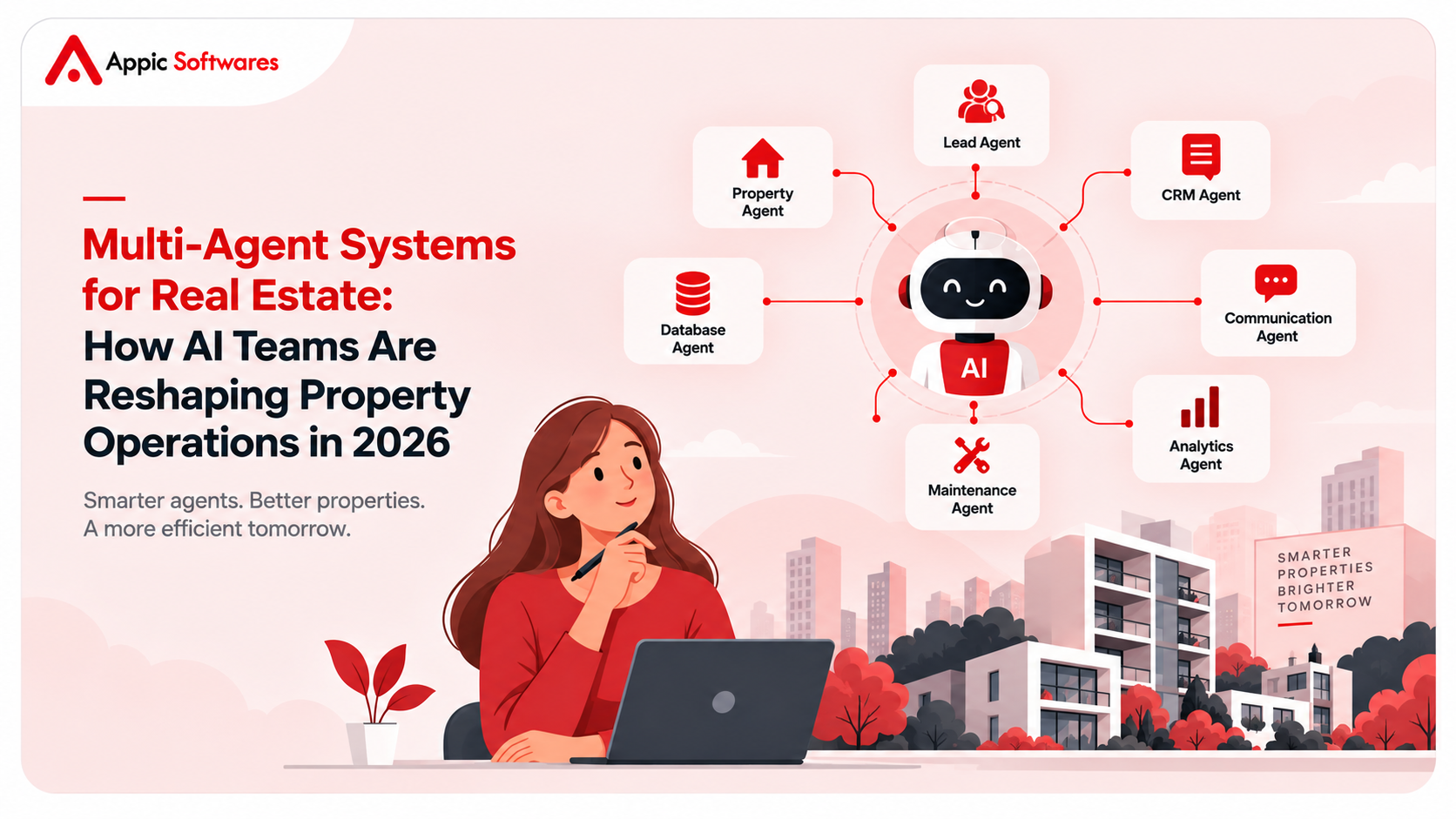
Multi-Agent Systems for Real Estate: How AI Teams Are Reshaping Property Operations in 2026
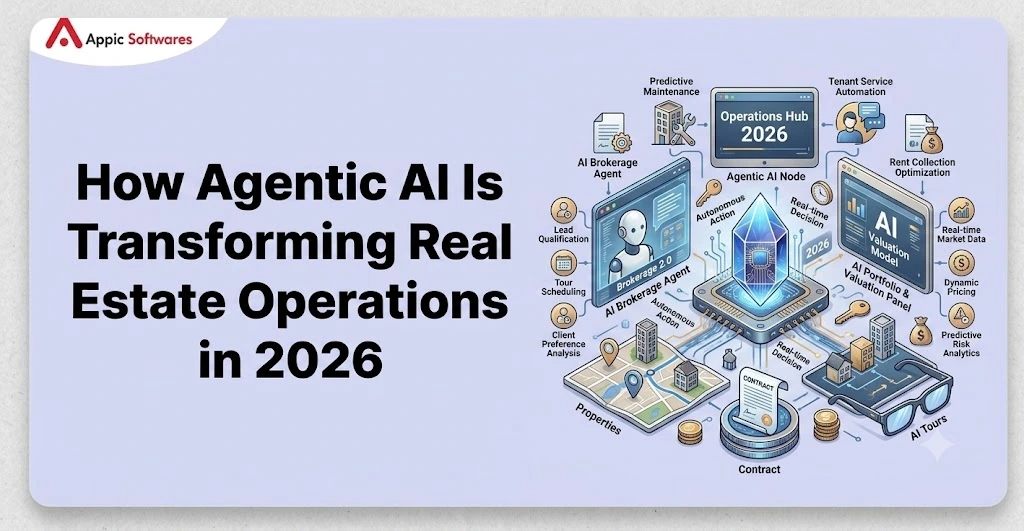
How Agentic AI Is Transforming Real Estate Operations in 2026