The pet industry market has grown over the past few years, which has given almost everyone in the market new and exciting possibilities. According to industry forecasts, the U.S. pet care market is projected to grow significantly through the mid-2020s, The American Pet Product Association (APPA) found in Pet Industry Market Size, Trends & Ownership Statistics that the total amount spent in the U.S. on pets is growing all the time. In 2024, total U.S. pet industry spending reached approximately $152 billion, and it is projected to surpass $157 billion in 2025 as pet ownership and premium services expand.
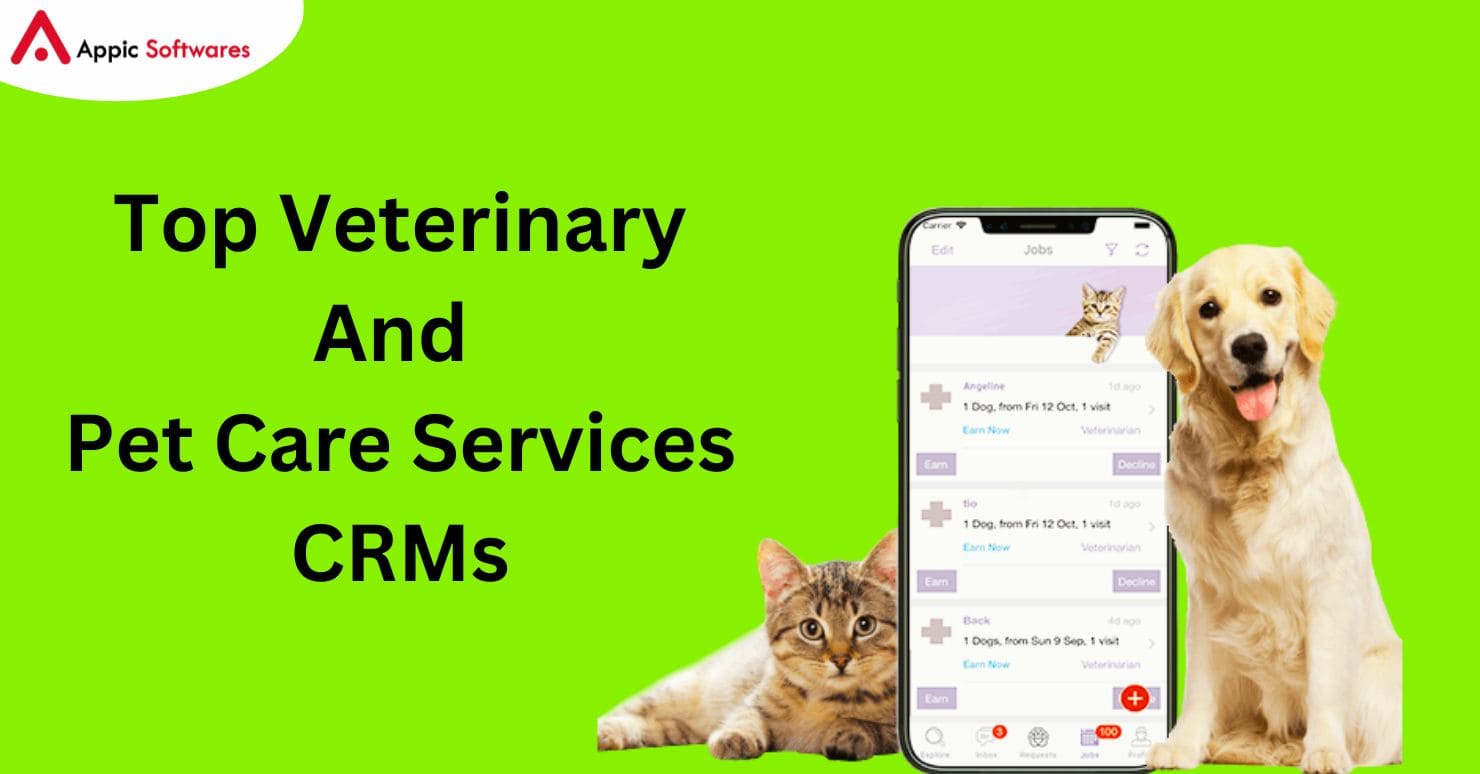
There are now apps for pet care that make it easier for pet owners to get in touch with their vets and offer a variety of services. A good way to get started and avoid potential problems is to make an MVP version of the app. With this pilot choice, business owners can keep an eye on the good points and find the bad ones.
It’s important to note that a vet care app only involves two people: the pet owner and the veterinary center. That means you will also have to make two different kinds of apps. What each app needs to be able to do is a little different.
1.Panel for owners to manage
The administrative panel seems like a necessary part of keeping the communication between the center and pet owners running smoothly.
Veterinary professionals can handle all the requests, text or video messages, and other messages that come in.
Veterinarian staff can see new appointments and handle existing ones in the admin dashboard.
It’s also very helpful for pet care workers because all the information about a pet and its owner is kept in one place.
2. Options for onboarding and authorization
The customer needs to make an account and be approved as a user to get services. Members may be more likely to keep using the service if it has a log-in option built in.
3. Profile of Pet
The general information about a pet is shown in the pet profile part. A pet owner can talk about their pet’s personality, behavior, and eating habits.
In this part, too, you should list the general information, like the breed, color, age, and weight.
The veterinarian can add to and change information about a pet’s possible illnesses and overall health.
This choice is very helpful because it lets the pet parent be very picky about the pet’s background.
4. How to pay and view order history
Because there are different subscription plans, cat owners can choose the one that best fits their needs.
You can set up a contract that pays for itself every month or every year. The customer could also choose a flat fee.
Most of the time, the vet clinic decides how and when to be paid by looking at the qualifications of the staff veterinarians, the type of advice services, and the length of the subscription period.
5.Set up an appointment
This feature lets pet owners pick a vet and set up a time and date that works for them to see their pet.
When the customer has simple questions, they can also text or email their chosen veterinarian.
You can have a meeting in person over the phone or video call.
6. Calls with video and sound
Having a video or voice call with a vet doctor can seem very important in case your pet starts to show symptoms or gets hurt.
People who own pets can either set up a video and audio chat with an expert vet or go in person.
7. Live Chat
Pet owners can talk to pet care providers directly through an online chat tool.
A doctor can get the information they need about a pet’s changing health problems through a text, voice, or video message.
8. Integration of Google Maps
People who own pets can look for a vet center in the area. The search results will be shown on the map in the way that works best for you.
For obvious reasons, the “heat map index” feature that lets you see how busy each vet station is right now can be a nice extra.
9.Pet’s medical records
This part has all the legal medical information about a pet’s long-term illnesses, vaccinations, and allergies.
Parents of pets and vet staff can use this to look at a pet’s health data or see a list of all the paid visits that the pet has had in the past.
Advanced Features for Future App Version
taking care of orders
money made
every day reports
status of a busy or inactive user
Index of heat maps.
Some nice-to-have mobile app features and extra functions that could be added in the next steps of the product’s development could be:
Don’t forget
Notifications for push
Articles and movies that teach
Reports in PDF
Events on Facebook
Watching over food
work out
Rates and reviews
Help with
Following GPS
Giving first help.
Thanks to these useful features, both the business owner and the pet owners will be able to talk to each other quickly and comfortably.
Technology Stack Used for Pet App Development
At Appic Softwares, we use a modern, scalable technology stack to build high-performance pet care applications.
Frontend
Flutter (Cross-platform development)
Dart programming language
Flutter enables faster development, consistent UI, and excellent performance across Android, iOS, and web platforms.
Real-Time Communication
Agora SDK
Real-Time Communication (RTC)
Real-Time Messaging (RTM)
Web SDK integration
For advanced chat functionality, Flutter Web plugins + JavaScript are integrated where required.
Why Choose Appic Softwares for Pet App Development?
We focus on secure, scalable, and user-friendly solutions tailored to startups and enterprises.
Conclusion
With a track record of making successful cross-platform mobile apps, the Appic Softwares always makes sure to offer high-quality services. We also have pet care app developers for those who want to make their pet care app.
You can use our “Get Free Consultation Now” form to ask us anything at any time. We will always be happy to help you make your project come true