Fitness App Development Company






A FullStack Fitness App Development Company
Appic Softwares is a full-stack fitness app development company that helps businesses create high-performing and feature-rich fitness applications for gyms, personal trainers, and wellness brands. We specialize in building scalable, cross-platform fitness apps using cutting-edge technologies like Flutter, React Native, and Node.js, ensuring a seamless user experience on iOS, Android, and the web.
Our fitness app solutions include essential features like custom workout modules, AI-powered recommendations, meal and nutrition tracking, wearable device integration, and live virtual coaching. Users can engage with social and community features, participate in fitness challenges, and track their progress using advanced analytics. Additionally, we integrate secure payment gateways for membership subscriptions and in-app purchases, enhancing monetization opportunities for businesses.
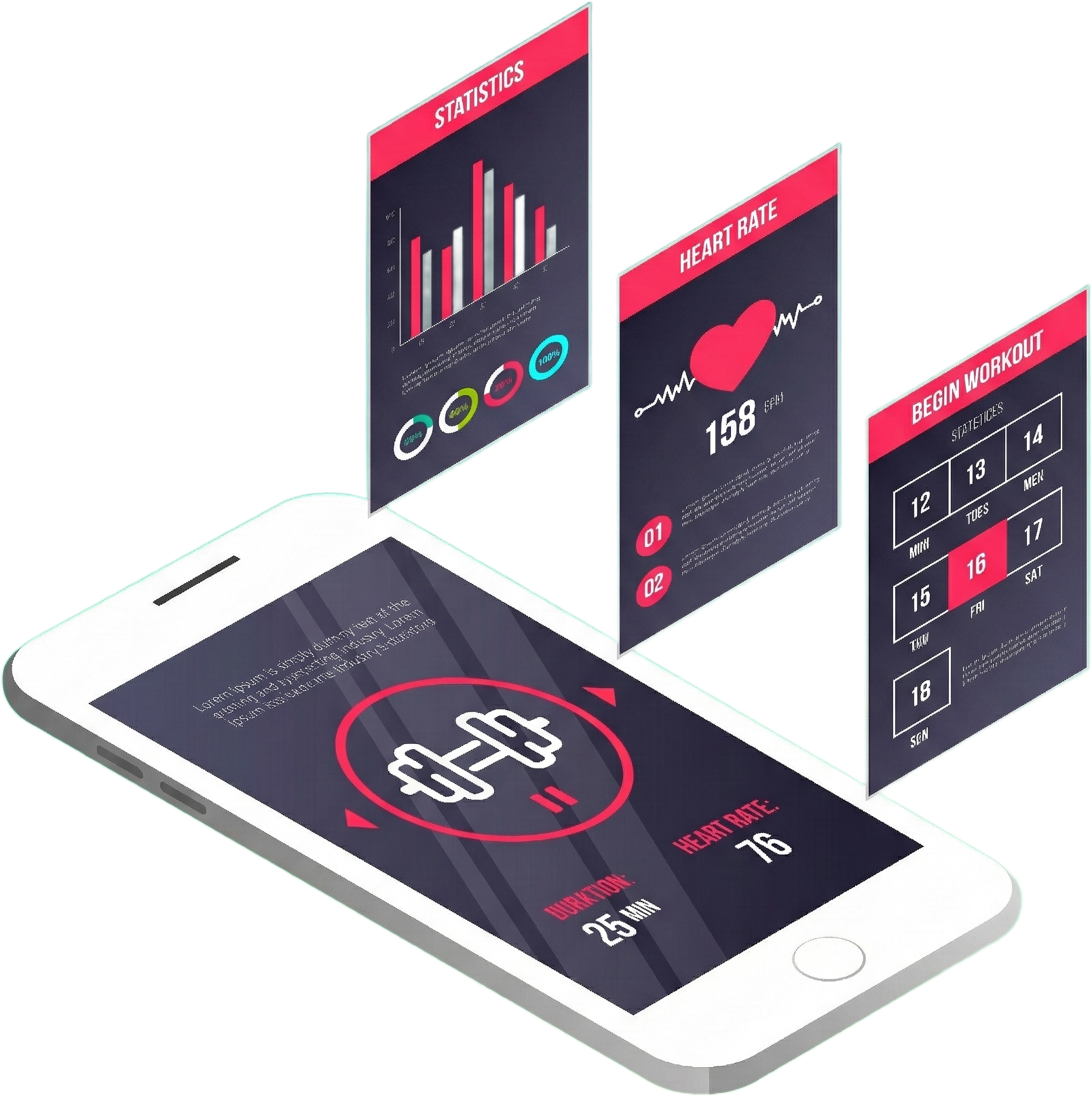
Our Fitness App Development Services
Our fitness app development services are designed to help businesses create engaging and scalable fitness applications that enhance user experience and drive growth. We also build on-demand apps, allowing users to instantly book trainers, nutritionists, or therapists. Here are all the fitness app development services offered by us:

AI Fitness App Development
Our AI fitness app development services analyze user behavior, suggest customized workout plans, and track progress in real time. With features like AI-powered chatbots, motion tracking, and predictive analytics, users receive intelligent recommendations that enhance their fitness journey.
Get in Touch ›
Mental Relaxation App
Improve mental well-being with our mental relaxation app development services. We create fitness apps that offer guided meditation, breathing exercises, and stress management techniques to help users achieve inner peace.
Get in Touch ›
Wearable Fitness App
Connect users to their fitness goals with wearable fitness app development made for smartwatches and fitness bands. Our apps sync with devices like Apple Watch, Fitbit, and Garmin, enabling real-time heart rate monitoring, step tracking, and personalized health insights.
Get in Touch ›
Diet & Nutrition App
Our fitness app development services help users maintain a balanced lifestyle by tracking their health and nutrition. We build apps that include meal planning, calorie counting, personalized diet recommendations, and food tracking features.
Get in Touch ›
Yoga App Development
Bring the ancient practice of yoga into the digital world with a feature-rich yoga app. We create fitness app solutions that offer guided yoga sessions, pose correction using AI, progress tracking, and virtual classes.
Get in Touch ›
Exercise Tracker App
Track every workout with precision using our exercise tracker app development services. Our apps enable users to log workouts, monitor progress, set fitness goals, and analyze performance metrics. Hire our AI engineers to integrate AI functionalities like posture tracking.
Get in Touch ›
Health Tracking App
Empower users to take control of their health with health-tracking app development solutions. Our apps offer heart rate monitoring, blood pressure tracking, hydration reminders, and overall health insights. Integration with IoT devices and wearables ensures accurate real-time data.
Get in Touch ›
Sleep Tracking App
We build fitness apps that analyze sleep patterns, detect disturbances, and provide insights for better rest. Features like smart alarms, meditation sounds, and deep sleep tracking help users enhance their sleep health for overall well-being.
Get in Touch ›Our Fitness App Development Process
We follow a structured and technology-driven approach to fitness app development, ensuring high performance, scalability, and an engaging user experience.

Requirement Analysis & Planning

UI/UX Design & Prototyping

Full-Stack Development

API Integrations

Advanced AI Integrations

Quality Assurance & Testing

Deployment & Launch

Post-Launch Support
What Are The Important AI Features In Fitness App?
From personalized experience to body posture tracking, our AI fitness app development services help you get the best out of your fitness app. If you are planning to develop an AI-powered Fitness app, then here are some important features that you must integrate in your fitness app:

Personalized Workout Plans
AI-powered Virtual Trainers

Smart Diet Recommendations

Predictive Health Analytics

Automated Progress Tracking
What are the important features of a fitness app?
As there are different types of Fitness apps, we have compiled all the important features that you can have in your unique Fitness app.
Mental Health App
Mood Tracking and Journaling
Tracking emotions daily helps users identify patterns in their mental health and work on them accordingly. A journaling feature in a fitness app allows users to express their thoughts, helping them release stress and gain better self-awareness. Mood tracking can also be integrated with AI to provide insights based on user behavior, which will help you to easily scale up the mental health app.
Guided Meditation and Mindfulness Exercises
Offering guided meditation, breathing exercises, and mindfulness techniques can help users manage stress and anxiety effectively directly from your fitness app. These exercises can be customized based on the user’s mood and needs.
Therapy and Counselor Integration
Connecting users with licensed therapists and counselors through in-app consultations or video calls can make professional mental health support more accessible. This feature ensures that users can receive expert guidance without leaving their homes.
Cognitive Behavioral Therapy (CBT) Tools
CBT-based exercises help users challenge negative thought patterns and replace them with healthier perspectives. These tools can provide structured guidance to improve emotional regulation and self-control.
Community Support and Forums
A secure and anonymous community space allows users to share their experiences, seek advice, and offer emotional support to others. Peer support can be a powerful tool for motivation and encouragement.
Crisis Management and Emergency Assistance
A mental health app should include emergency features like suicide prevention helplines, SOS buttons, or direct access to mental health professionals in case of a crisis.
Sleep Tracking and Relaxation Techniques
Poor sleep can impact mental health. An integrated sleep tracker, along with relaxation sounds and bedtime stories, can help users develop better sleep habits and improve their overall well-being.
Daily Affirmations and Positive Reinforcement
Positive reinforcement through daily affirmations and motivational quotes can help users build self-confidence and maintain a positive mindset throughout their mental health journey.
Gamification and Progress Tracking
Reward-based progress tracking, such as completing meditation sessions or journaling daily, can encourage users to maintain healthy habits. Gamification elements make the app more engaging and interactive.
Secure and Confidential Data Storage
Since mental health data is sensitive, a strong privacy policy with end-to-end encryption ensures that user data remains safe. Users should feel confident that their information is secure and not shared without consent.
Habit Formation and Goal Setting
Users can set mental health goals like reducing stress, improving focus, or maintaining a gratitude journal. Habit-tracking features help users stay accountable and consistent in their wellness journey.

Diet And Nutrition App
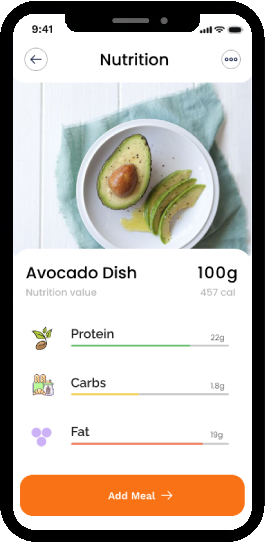
Calorie and Nutrient Tracking
Tracking calorie intake is crucial for users who want to maintain, lose, or gain weight. The fitness app should feature a detailed food diary where users can log their daily meals and beverages. Beyond just calories, the fitness app tracker will break down macronutrients and micronutrients. This helps users ensure they are meeting their daily nutritional needs and following a balanced diet. Some advanced apps also offer real-time feedback and suggest adjustments if users consume too many or too few calories.
Meal Planning and Recipe Suggestions
A structured meal planning feature helps users stay on track with their nutrition goals. The app should generate personalized meal plans based on dietary goals, taste preferences, and allergies. For added convenience, meal plans can include a variety of easy-to-cook recipes with detailed ingredient lists, portion sizes, cooking instructions, and preparation times. The ability to swap meals within the plan can further enhance flexibility, ensuring users can stick to their diet without feeling restricted.
Barcode Scanner for Food Logging
A barcode scanner streamlines the food logging process by allowing users to scan packaged food labels instead of manually entering nutritional details. The scanner will retrieve accurate data from an extensive food database, including calorie count, macronutrient breakdown, and ingredients, helping your fitness app users to easily track their nutrition. This feature not only saves time but also ensures precision, helping them maintain a consistent and accurate diet log.
AI-Based Diet Recommendations
AI Agents In Dieting will enhance a diet app’s effectiveness by analyzing user behavior, eating patterns, and nutritional intake. AI-driven recommendations can help users make better food choices, suggesting healthier alternatives based on their preferences and goals.
Water Intake Tracker
A water intake tracker reminds users to stay hydrated by setting daily hydration goals based on their weight, activity level, and climate. The fitness app will send alerts at regular intervals to remind users to drink water and log their intake. You can also integrate hydration analytics, showing users how their water consumption impacts their energy levels and digestion.
Integration with Fitness and Wearable Devices
Syncing with wearable devices like Fitbit, Apple Watch, and Google Fit enables users to get a comprehensive view of their fitness and nutrition data. The fitness app will track physical activity, calorie burn, and heart rate, providing insights into how diet and exercise contribute to overall health. This integration helps users balance their food intake with their energy expenditure, ensuring they achieve their health goals effectively.
Diet Plans for Specific Goals
The fitness app will provide a variety of diet plans tailored to different goals, such as weight loss, muscle gain, ketogenic diets, vegan diets, paleo diets, and diabetic-friendly meal plans. Additionally, users should be able to customize these diet plans based on food allergies, intolerances, or cultural dietary preferences. Offering a flexible approach allows users to adopt a sustainable and realistic diet plan.
AI-Powered Food Recognition
Our AI engineers will integrate AI-powered food recognition, allowing users to take pictures of their meals, which the app will then analyze to estimate calorie and nutrient content. This feature is useful for users who eat home-cooked meals and don’t have access to barcode scanning. AI-powered food recognition saves time and improves the accuracy of food logging, making it easier to maintain a consistent diet plan.
Exercise And Yoga Tracker App
Workout Logging and Customization
An essential feature of an exercise tracker app is the ability to log workouts, including exercise types, sets, reps, duration, and intensity. Users should also have the flexibility to create custom workouts by adding their favorite exercises. Some apps use AI to suggest modifications based on user performance, helping them push past plateaus while maintaining proper form and recovery.
Pre-Built Workout Plans
To cater to users of all fitness levels, the app should offer structured workout plans such as strength training, cardio, HIIT (High-Intensity Interval Training), yoga, and flexibility exercises. These plans should be tailored for different goals like fat loss, muscle building, and endurance training. Video demonstrations and step-by-step guides ensure users perform exercises correctly and safely.
Real-Time Activity Tracking
For accurate performance measurement, the app should track live workout sessions, logging heart rate, calories burned, reps completed, and workout duration. Integration with smartwatches and fitness trackers can enhance this feature, providing real-time feedback on workout intensity and overall progress.
AI-powered Workout Recommendations
Using AI-driven analysis, the app should suggest workouts based on past performance, fatigue levels, and progress trends. AI can also adjust workout difficulty dynamically, ensuring users get a challenge while avoiding overtraining. This feature enhances motivation and maximizes workout efficiency.
Integration with Wearable Devices
Syncing with devices like Fitbit, Apple Watch, Garmin, and Google Fit allows users to track steps, heart rate, sleep, and calorie expenditure. Seamless integration ensures that all fitness data is consolidated within the app, giving users a comprehensive view of their fitness and nutrition data.
GPS-Based Outdoor Activity Tracking
For users who enjoy running, cycling, or hiking, a GPS tracking feature is essential. It enables the app to map routes, measure distance covered, track pace, and calculate elevation changes. This feature helps users analyze performance trends and improve endurance over time.
Voice and Audio Coaching
Incorporating voice-guided coaching can provide real-time workout instructions, reminders, and motivational cues. Whether it’s a virtual trainer counting reps or a coach guiding a HIIT session, this feature improves user engagement and ensures correct exercise execution.
Progress Tracking and Performance Analytics
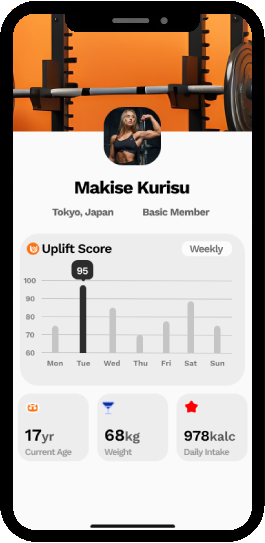
Users should have access to detailed analytics, including workout history, performance improvements, and goal completion rates. Graphs, charts, and trend analysis help users see progress over weeks and months, keeping them motivated to stay consistent with their fitness routine.
Social Features and Community Engagement
Fitness is more enjoyable with a community. The app should allow users to connect with friends, join fitness challenges, and share their progress on social media. Leaderboards and achievement badges can further enhance engagement, encouraging users to stay committed to their fitness goals.
Personalized Training Plans
The app should offer adaptive training plans based on user progress and fitness level. A beginner might start with low-impact exercises, while an advanced user gets more intense workouts. This ensures gradual progression while minimizing the risk of injury.
Workout Reminders and Push Notifications
Consistent training is key to achieving fitness goals. Smart notifications should remind users about scheduled workouts, recovery days, and hydration. These reminders should be customizable, allowing users to set their preferred workout times.
Exercise Demonstrations and Tutorials
Video tutorials and animated exercise demonstrations ensure users perform workouts with proper form, reducing the risk of injury. A well-designed library with detailed instructions enhances user confidence, making it easier to get started.
Integration with Nutrition and Diet Plans
Since exercise and diet go hand in hand, the app should integrate meal plans and nutritional guidance. It can sync with diet-tracking apps to offer holistic health insights, helping users balance calorie intake with workout intensity.
AI-powered Form Correction
Advanced apps use AI and motion tracking to analyze user posture during exercises, providing real-time corrections. This feature enhances workout effectiveness and reduces the risk of injury by ensuring proper form.
Offline Mode for Workout Tracking
Users should be able to log workouts even without an internet connection. An offline mode ensures accessibility in gyms or outdoor areas with poor connectivity. Once back online, data should sync automatically to maintain progress tracking.
Experience the Power of Next-Gen Mobile Solutions
As a trusted Flutter App Development Company, we deliver fast, future-ready, cross-platform apps.
- 95%
Client Retention Rate
- $10M+
Investment Raised by Startups
- 300+
Mobile Apps Developed
How Much Does Fitness App Development Cost?
The cost to develop a Fitness app depends on several factors, such as the functionalities of the app, the UI/UX, and more. Here are some more factors that determine the fitness app development cost:
UI/UX Design Complexity
A well-designed UI/UX ensures smooth navigation and enhances user engagement in your fitness app. Simple designs with basic elements require less effort, while advanced designs with custom animations, interactive elements, and high-quality visuals demand more time and expertise. A fitness app must have an intuitive interface that allows users to log workouts, track progress, and explore features effortlessly.
Wearable & IoT Device Integration
Fitness apps that connect with smartwatches, fitness bands, or IoT-based gym equipment require advanced development work. Integration with devices like Apple Watch, Fitbit, or Garmin involves real-time data synchronization and enhanced security protocols, which increases the cost of developing a fitness app. This feature is crucial for providing accurate fitness tracking and enhancing the user experience.
Type and Complexity of the App
The complexity of a fitness app significantly impacts its development cost. A basic app may only include features like step tracking and workout logs, while more advanced versions can offer AI-powered training, real-time analytics, and personalized workout recommendations. The more complex the app, the more time and resources are required for development.
There are more such factors that determine the cost of developing a fitness app. However, you can get your fitness app developed from us within the range of $10,000 to $80,000, depending on the above-listed factors.
Get Actual Cost Of Development
Total revenue of mobile apps is expected to grow at a CAGR of 9.27%, and it is estimated to reach $614.40 billion by 2026.
Thus if you are planning to digitalize your services then it’s the right time. Consult Our App Developers!
Request a consultationTechnologies and Platforms We Use

Our Achievements






Inspiring Customer Reviews
I wanted to take a moment to express my gratitude and appreciation for Shubham Jain. Shubham quickly assumed the leadership of the project during a critical phase when things were uncertain. Despite facing numerous challenges and obstacles along the way, Shubham remained a calm and steady presence, always putting the needs of the project first. He took the time to truly understand the project specifications and overall concept, diving deep to identify potential issues before they could become problems.

This is one of the best team I have worked with, very professional, submitted within the deadline, and always ready to cooperate. Did a great job, submitted the project one time, and had prompt communication, I will be happy to work with him again. I will also recommend Appic Softwares to anyone looking for a software development company. They were very professional and took the time to listen to our requirements and also provided recommendations that greatly enhanced our software.

The team exceeded my expectations by delivering the project not only on time but also ahead of schedule, which was truly impressive. Their professionalism and attention to detail were evident in every aspect of the work they did. I am genuinely delighted with the results, as they went above and beyond to ensure everything was perfect. The entire process was seamless and hassle-free, making it a pleasure to work with them. I highly recommend their services to anyone seeking quality and reliability!

Shubham and his team truly went above and beyond in delivering the project, showcasing their dedication and expertise throughout the entire process. Their commitment to achieving high-quality results was evident in every detail, as they took extra steps to ensure the final outcome exceeded my expectations. They met the project requirements and also consistently demonstrated a willingness to go the extra mile to ensure satisfaction. I am thoroughly impressed with their work.

The quality of work delivered by the team has been truly exceptional, far surpassing my expectations. Their attention to detail and commitment to excellence were evident in every aspect of the project, making the entire experience smooth and satisfying. They demonstrated a high level of professionalism, ensuring that all my requirements were met with precision. Based on this impressive performance, I am highly inclined to hire them again for my next project, confident that they will deliver outstanding results once more.

Very satisfied with the customer service of Shubham. Avinash was taking care of my project and has been very helpful and answered all my questions. He was very professional and replied very fast and with the proper knowledge for my project. We worked on a QR code manu platform and will be happy to again collaborate and work on some other project. They were very clear about the development phase and ensured that my product was delivered within the set time frame.


Frequently Asked Questions
A smartphone application that links fitness enthusiasts with professional trainers is known as an on-demand fitness app. Users may book fitness sessions, track their workouts, access personalized training plans, and connect with trainers in real-time.
The fitness industry is rapidly growing, and convenient fitness services are in high demand. Creating an app of this kind might be a lucrative commercial venture with opportunities for scalability and recurring revenue.
Features for users might include trainer booking, real-time GPS tracking, workout plans, progress tracking, payment integration, in-app messaging, nutrition tracking, and social features for community building.
Trainers may have access to features including profile management, availability scheduling, session management, client tracking, earnings dashboard, messaging, and progress reporting tools.
Provide users the ability to review and rate trainers, conduct background checks on trainers, verify certifications, implement secure payment systems, and include emergency contact features.
Generally, you'd utilize technologies like React Native or Flutter for cross-platform development, Node.js or Python for backend, and cloud services for scalability. This depends on the experience of your development team.
By requiring a commission charge for each transaction made between users and trainers, you may make money off of the app. Other alternatives include subscription models, premium features, advertising partnerships, or in-app purchases for workout plans and supplements.
To safeguard both consumers and the company, you should think about getting liability insurance, creating explicit terms of service, privacy policies, and data protection measures. Seek advice from legal professionals to make sure that local laws are followed.
Several months may pass between planning and launch, typically 4-6 months for a basic version, however this might vary according to the app's complexity, features, and platform requirements.
Marketing tactics that work well include social media advertising, influencer partnerships, local SEO, referral schemes, free trial periods, and partnerships with gyms and fitness centers.
Updates on a regular basis are necessary to address issues, enhance functionality, introduce new features, and ensure compatibility with the most recent mobile operating systems. Ongoing maintenance ensures optimal performance and user satisfaction.
To handle technological difficulties and changes, we provide continuing maintenance and support packages, including bug fixes, feature updates, security patches, and performance optimization.
Share Your Ideas Here!
We are all ears!