HIPAA Compliant App Development in 2026: Security & Process Guide
Healthcare organizations handle sensitive patient data every day. Medical records, prescriptions, insurance details, diagnostic reports, and telemedicine data move through digital healthcare systems across hospitals and clinics. Cyberattacks against healthcare platforms continue to increase. Healthcare recorded the highest breach cost across all industries.
Businesses invest in secure healthcare platforms through healthcare software development services built around HIPAA compliance requirements. Every healthcare application that handles Protected Health Information (PHI) requires strict security controls. Your application needs encrypted data storage, secure APIs, controlled user access, and continuous monitoring systems.
HIPAA-compliant app development focuses on encryption, access control, audit logs, secure cloud infrastructure, and healthcare cybersecurity practices. These security measures help healthcare providers reduce compliance risk and protect patient information across mobile applications, patient portals, and telemedicine platforms.
Modern healthcare applications process large volumes of patient data through AI healthcare tools, remote patient monitoring systems, and digital health platforms. Weak security systems increase the risk of unauthorized access, ransomware attacks, API exposure, and PHI leaks. IBM reported that healthcare organizations required an average of 279 days to identify and contain data breaches.
If you plan to build a healthcare application, you need HIPAA compliance from the first development stage. Security gaps during development increase operational costs, compliance penalties, and system risks later. A structured healthcare app development process improves patient data protection and supports secure healthcare system growth.
What Is HIPAA Compliant App Development?

HIPAA-compliant app development refers to building healthcare software systems that protect patient data using defined privacy and security rules. These rules control how data is stored, accessed, and shared.
Protected Health Information includes any data that identifies a patient. This includes medical records, lab reports, prescriptions, billing data, and contact details. If an application collects or processes any of this information, compliance becomes mandatory.
HIPAA defines three main rules that guide software development. The Privacy Rule defines how patient data is shared. The Security Rule defines technical safeguards such as encryption and access control. The Breach Notification Rule requires reporting when data is exposed.
Healthcare providers, insurance companies, and software vendors must follow these rules. Developers must understand healthcare data privacy from the start. If teams ignore compliance during early stages, fixing issues later increases cost and risk.
Why HIPAA Compliance Is Critical for Healthcare Apps in 2026
Healthcare systems face constant cyber threats. Attackers target healthcare apps because patient data contains financial, personal, and medical information in one place.A single breach leads to financial penalties, legal action, and loss of trust. IBM reported that the average cost of a healthcare data breach reached $4.88 million, which shows how serious the risk has become.
Regulatory penalties reach millions depending on the severity of the violation. Organizations also lose user trust, which affects long-term growth.
Patients expect privacy when they share personal data. A secure application builds confidence and increases retention. If users doubt data security, they stop using the platform.
Advanced technologies increase exposure. AI virtual health assistants process sensitive patient queries and medical data. If these systems lack proper security controls, they expose PHI through APIs or storage systems.
Healthcare cybersecurity now plays a central role in app development. Regulatory compliance supports data breach prevention and ensures stable operations.
HIPAA Healthcare Software Checklist (Technical Requirements)

A strong HIPAA healthcare software checklist ensures that every part of the system protects patient data.
Data Security
Encryption protects data both at rest and in transit. Stored data must remain encrypted inside databases and cloud systems. Data transferred between servers and users must use secure protocols such as HTTPS.
Secure APIs protect endpoints from unauthorized access. Every API request must go through authentication checks. Tokens must expire regularly to reduce risk.
Access Control
Role based access control defines who accesses specific data. Doctors access patient records. Patients access their own reports. Admins manage system level data.
Multi factor authentication adds an extra layer of security. Users verify identity using a second step, such as OTP or biometric login. This reduces the chances of unauthorized access.
Monitoring and Logging
Audit logs record all system activity. These logs show who accessed data and when. This helps during compliance audits and investigations.
Activity tracking identifies unusual behavior. If a user tries multiple failed logins or accesses large volumes of data, the system flags the action.
Infrastructure
HIPAA compliant cloud infrastructure ensures secure storage and data isolation. Cloud providers must meet compliance standards and support encryption.
Backup systems store encrypted copies of data. Disaster recovery plans restore systems quickly after failures or cyber incidents.
Compliance Layer
Risk assessments identify vulnerabilities in the system. Teams must fix these issues before launch.
Compliance audits verify whether the application meets HIPAA safeguards. Regular audits ensure secure healthcare systems over time.
Common HIPAA Compliance Mistakes That Can Cost You
Many healthcare apps fail due to avoidable mistakes. These mistakes create security gaps and lead to compliance violations.
- Storing unencrypted PHI remains one of the most common errors. If attackers access this data, they read it without any restriction.
- Weak authentication systems create easy entry points. Simple passwords without additional verification increase risk.
- Lack of a Business Associate Agreement creates legal issues. Any third party handling PHI must sign a BAA. Without this agreement, data sharing becomes a violation.
- Using non compliant tools introduces hidden risks. Many generic tools lack encryption and security controls required for healthcare apps.
- Businesses that adopt a white-label telemedicine app often skip security customization. This leads to weak access control and data exposure.
These mistakes increase risk during audits and lead to penalties.
Cost of HIPAA Compliant App Development in 2026
The cost of HIPAA compliant app development depends on features, compliance layers, and development expertise.
| App Type | Features Included | Estimated Cost |
| Basic App | Login, patient records, basic security | $10,000 - $30,000 |
| Mid-Level App | Telemedicine, dashboards, integrations | $30,000 - $60,000 |
| Advanced App | AI, real-time data, full compliance systems | $60,000 - $80,000+ |
Several factors influence pricing. Feature complexity increases development time. Compliance requirements add encryption, audit systems, and monitoring tools. Technology stack selection affects scalability and maintenance cost. Experienced developers charge more but reduce long term risk.
Understanding the cost of HIPAA compliant app development early helps in planning budget and timeline.
How to Build a HIPAA-Compliant App Without Compliance Risks

Start with a Structured HIPAA Compliant App Development Approach
A strong HIPAA compliant app development approach begins with clear planning. Teams must define how patient data moves across the system, where PHI is stored, and who accesses it. This step ensures healthcare data security from the beginning. Without structured planning, security gaps appear early and increase risk during scaling.
Developers must map data flow across all components, including mobile apps, backend systems, and third-party integrations. This helps in identifying exposure points and ensures patient data protection at every level.
Identify Risks Early in the Healthcare App Development Process
Risk identification plays a critical role in the healthcare app development process. Teams must analyze APIs, databases, cloud infrastructure, and external integrations before development starts.
Common risks include unsecured endpoints, improper encryption, and weak authentication systems. Early detection allows teams to fix these issues before they impact the system. This reduces rework and supports smoother compliance audits.
A proactive risk strategy improves system stability and ensures alignment with secure healthcare systems.
Apply Security Across Every Development Stage
Security must remain integrated throughout the development lifecycle. During design, teams define encryption standards and access control policies. During development, they implement secure coding practices and validate each module.
Testing focuses on vulnerability detection and compliance validation. Penetration testing helps identify weaknesses before attackers exploit them. Each feature must meet HIPAA standards before deployment.
This structured approach aligns with the HIPAA healthcare software checklist and ensures consistent compliance.
Maintain Continuous Monitoring and Updates
After deployment, monitoring systems track activity across the application. Audit logs record user actions, and monitoring tools detect unusual behavior such as repeated login attempts or abnormal data access.
Regular updates fix vulnerabilities and improve system performance. Continuous monitoring ensures that patient data protection remains strong even after the app goes live.
Work with a Healthcare Development Partner
A development team with compliance expertise improves execution. Experienced teams understand regulatory requirements and implement security measures correctly from the start.
This reduces development delays, prevents compliance issues, and improves long term system reliability.
Final HIPAA Compliance Checklist Before Launch
This final HIPAA healthcare software checklist ensures that your application meets all compliance and security requirements before launch.
Verify Data Protection and Encryption
Encryption must secure data at rest and during transmission. Databases, backups, and communication channels must follow strong encryption standards. This ensures healthcare data security and prevents unauthorized access.
Validate Access Control Systems
Access control must restrict data based on user roles. Each user should only access the information required for their role. Multi factor authentication must protect login systems and reduce unauthorized access risks.
Confirm Monitoring and Audit Logs
Audit logs must record every action within the system. These logs help track data access and support compliance audits. Monitoring tools must detect unusual behavior and alert teams in real time.
Complete Risk Assessment and Compliance Audits
Teams must conduct a final risk assessment to ensure no vulnerabilities remain. Compliance audits must verify that all HIPAA safeguards are implemented correctly. This step confirms compliance readiness before launch.
Ensure Business Associate Agreements Are Signed
All third-party vendors handling PHI must sign a Business Associate Agreement. Without this agreement, data sharing creates compliance violations and legal risk.
A complete validation process ensures that the application meets HIPAA standards, strengthens patient data protection, and reduces the risk of penalties.
Final Thoughts
The protection of patient information and establishing patient trust can be achieved through the development of a HIPAA compliant app. Apps focused on healthcare provide patient information at multiple points throughout the application process; one security breach can lead to multiple compliance issues and ultimately cause you to lose your patients' trust. Be mindful of protecting patient information at every point in time is essential. Security leads to trust and supports longer-term growth.

If you plan on developing a healthcare app, then ensure you are developing the app in compliance first and foremost. An experienced group of employees who have a comprehensive understanding of the HIPAA standards and requirements of secure systems in developing applications should be part of your development team.
Many companies choose to collaborate with skilled teams, such as Appic Softwares, to establish unique Health Care solutions while building data protection and compliant systems within their business. This method will help your company launch successfully while minimizing the risk of compliance and providing your end-users with a secure Health Care experience.
FAQs
What is HIPAA compliant app development?
HIPAA compliant app development refers to building healthcare applications that follow strict security and privacy standards to protect patient data. This includes encryption, access control, audit logs, and compliance audits to ensure patient data protection and healthcare data security.
How much does cost of HIPAA compliant app development vary?
The cost of HIPAA compliant app development ranges from $10,000 to over $80,000 based on features, integrations, compliance requirements, and system complexity. Applications with advanced capabilities such as real time data processing or AI systems, require higher investment due to additional security layers.
What is included in a HIPAA healthcare software checklist?
A HIPAA healthcare software checklist includes encryption, role-based access control, secure APIs, audit logs, monitoring systems, risk assessments, and compliance audits. These components ensure secure healthcare systems and protect sensitive patient information.
How do you secure PHI in healthcare apps?
PHI in HIPAA compliant app development is secured through encryption, controlled access based on user roles, secure APIs, multi factor authentication, and continuous monitoring. These measures ensure patient data protection and reduce the risk of unauthorized access or data breaches.
Frequently Asked Questions
What is HIPAA compliant app development?
HIPAA compliant app development refers to building healthcare applications that follow strict security and privacy standards to protect patient data. This includes encryption, access control, audit logs, and compliance audits to ensure patient data protection and healthcare data security.
How much does cost of HIPAA compliant app development vary?
The cost of HIPAA compliant app development ranges from $10,000 to over $80,000 based on features, integrations, compliance requirements, and system complexity. Applications with advanced capabilities such as real time data processing or AI systems, require higher investment due to additional security layers.
What is included in a HIPAA healthcare software checklist?
A HIPAA healthcare software checklist includes encryption, role-based access control, secure APIs, audit logs, monitoring systems, risk assessments, and compliance audits. These components ensure secure healthcare systems and protect sensitive patient information.
How do you secure PHI in healthcare apps?
PHI in HIPAA compliant app development is secured through encryption, controlled access based on user roles, secure APIs, multi factor authentication, and continuous monitoring. These measures ensure patient data protection and reduce the risk of unauthorized access or data breaches.
Related Articles
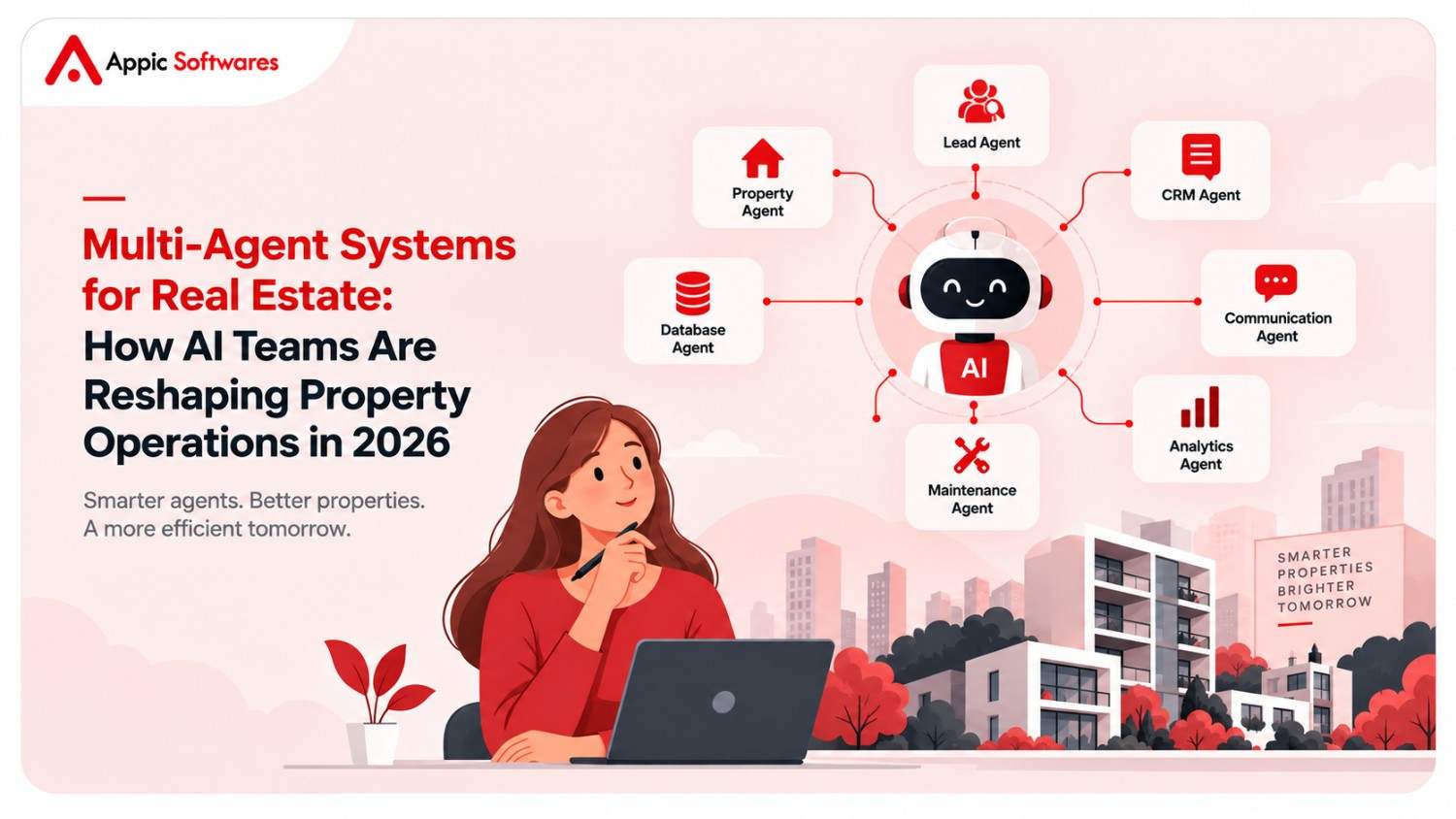
Multi-Agent Systems for Real Estate: How AI Teams Are Reshaping Property Operations in 2026
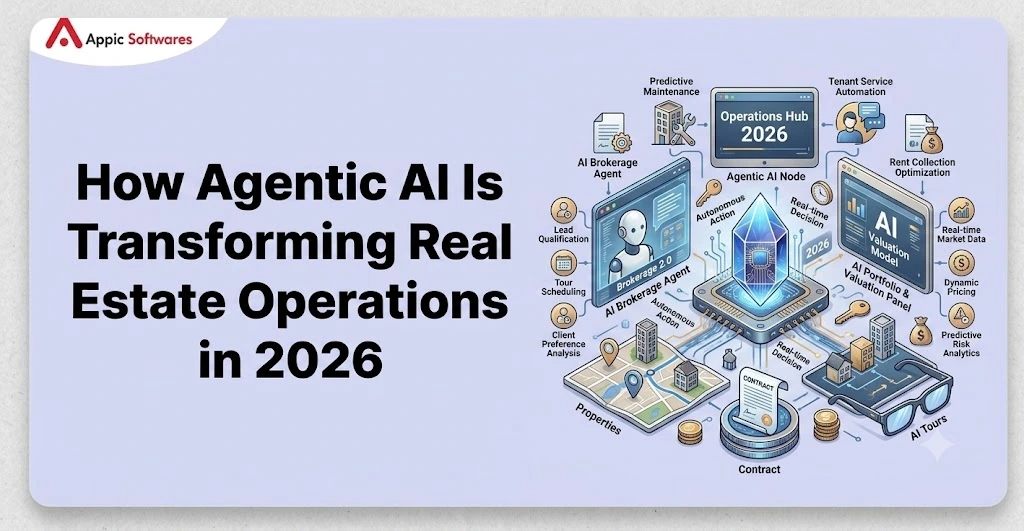
How Agentic AI Is Transforming Real Estate Operations in 2026