Top 10 No-Code Backend Framework With FlutterFlow 2025

As no-code platforms change the scene for app development, demand for effective backend systems has increased. To save time, cut expenses, and remove the complexity of conventional coding, developers and companies both looking for no-code backend framework. Prominent no-code tool FlutterFlow lets creators easily create visually beautiful and extremely useful apps. The top 10 no-code backend frameworks with FlutterFlow will be discussed here, therefore allowing strong backend solutions in 2025.
Why No-Code Backend Framework With Flutterflow Are Essential
The adoption of no-code technologies is fast increasing since they let non-technical users create apps without a sophisticated understanding of programming. A 2024 Gartner research project that, by 2025, no-code/low-code solutions will account for 70% of all app development activity. This change shows a clear trend toward accessibility and efficiency, so no-code backend frameworks are essential for developers running platforms like FlutterFlow.
1. Firebase

Firebase continues to be one of the most popular choices for no-code backend solutions. Its real-time database, authentication services, and seamless integration with FlutterFlow make it ideal for dynamic applications.
- Firebase’s real-time capabilities allow data syncing instantly across users, crucial for apps requiring live updates.
- It supports Google, Facebook, and email-based authentication, making user management simple.
2. Supabase

An open-source alternative to Firebase, Supabase offers robust database management features and a GraphQL API, giving developers flexibility with data operations.
- Built on PostgreSQL, it provides scalable and high-performing database options.
- Real-time capabilities keep users updated with live data syncing.
3. Xano

Xano specializes in scalable no-code backend infrastructure, providing API creation, database hosting, and integrations to FlutterFlow applications.
- Xano enables developers to build APIs without coding.
- Automated image resizing and data transformation are great for apps with heavy multimedia use.
4. Backendless

Backendless is a comprehensive backend-as-a-service platform that supports data management, real-time database, and API management for no-code applications.
- Simplifies database structure creation without requiring complex coding.
- Built-in notifications make it easy to engage users, critical for mobile app success.
5. Appwrite

Appwrite is an open-source backend server for web, mobile, and FlutterFlow applications. It includes features like storage, authentication, and cloud functions.
- Offers OAuth providers such as Google and Facebook for seamless login experiences.
- Provides role-based access control, essential for applications handling sensitive data.
6. Airtable
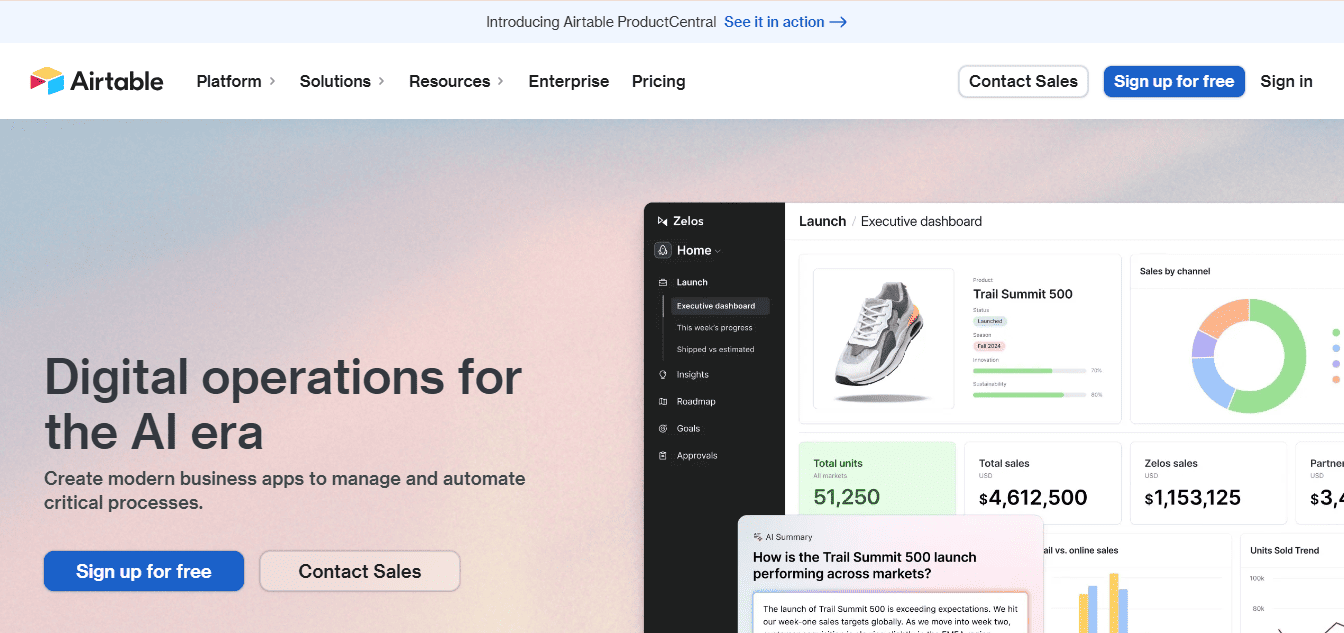
It acts as both a database and a spreadsheet, making Airtable ideal for simple app backends that require easy data management and manipulation.
- Familiar spreadsheet UI helps non-technical users manage and manipulate data effortlessly.
- Airtable’s API support makes it easy to integrate with FlutterFlow for efficient data handling.
7. NocoDB

NocoDB converts any MySQL or PostgreSQL database into a no-code API platform. Its open-source nature appeals to developers looking for flexible backend options.
- NocoDB transforms SQL databases into no-code solutions.
- Offers robust API support, allowing FlutterFlow applications to interact seamlessly with backend data.
8. Backend.ai

Backend.ai is a powerful AI-driven backend service that supports machine learning and automation for FlutterFlow apps with ease.
- Backend.ai specializes in AI-backed data processing, beneficial for apps with intelligent data functionalities.
- Built to scale with the growth of applications, handling complex data with efficient processing.
9. Stacker

Stacker enables businesses to transform their data into apps directly from Google Sheets, and more, providing an easy-to-use interface for FlutterFlow integrations.
- Stacker’s intuitive dashboard helps businesses design apps without technical expertise.
- Real-time data synchronization is helpful for collaborative projects and internal applications.
10. BackendHub
BackendHub is a newer addition, offering serverless architecture and event-driven workflows, ideal for applications needing scalable backend logic.
- Reduces costs by scaling automatically based on demand, great for applications expecting high traffic.
- Automates complex backend tasks, improving app performance and user experience.
Key Benefits Of Using No-Code Backend Frameworks With FlutterFlow
- Reduced Development Time: These frameworks significantly cut down on backend development time, allowing faster deployment.
- Cost Savings: Flutterflow no-code frameworks reduce the need for extensive coding, minimizing labor costs.
- Easy Integration: Seamlessly integrates with platforms like FlutterFlow, enhancing the front-end and back-end connections.
- Enhanced Security: Many of these platforms include in-built security features, reducing risks associated with backend management.
- Scalability: No-code backends often support scaling, enabling businesses to accommodate growing user bases effortlessly.
Conclusion
No-code backend framework with Flutterflow is reshaping how applications are built, especially with the added convenience of platforms. From Firebase’s robust real-time features to Backend.ai’s AI-driven functionalities, each of these frameworks caters to specific app requirements, ensuring there’s a solution for every developer. As no-code solutions continue to evolve, the synergy between no-code backend platforms and tools like FlutterFlow will only strengthen, allowing businesses to create scalable, efficient, and innovative applications in record time.
If you’re looking to build an app that stands out, consider partnering with Appic Softwares. As a leader in FlutterFlow development, our company combines innovation with expertise to help you create custom apps with unmatched functionality and style.
Start your journey with Appic Softwares today and bring your no-code app ideas to life!
Related Articles

FlutterFlow Fintech App Development: Cost, Steps, And More 2025
When it comes to banking, one area that relies on technology a lot is the most basic one. Technology is useful in all kinds of industries and parts of the economy. Most banks and credit unions in most areas depend on app development to make managing money easier. In the same way, it’s getting easier […]

8 Easy Steps For FlutterFlow Firebase Integration In 2025
FlutterFlow’s integration with Firebase makes it simple to add sophisticated features like user authentication, cloud storage, and databases. This setup guide will show you how to integrate Firebase and FlutterFlow so that you can easily make apps that are feature-rich and scalable. Step By Step Guide To Firebase FlutterFlow Integration Step 1: Create A New […]

AI FlutterFlow App Development: Cost, Features, And Steps
Do you know, that 65% of consumers say that they will trust a business that uses AI? Thus if you are planning to develop an app with AI functionalities then you are at the right place, here we will inform you on how to use the no-code app development platform, FlutterFlow to build your app. […]

Top 10 Apps Build With FlutterFlow & Cost Of Development 2025
Businesses and entrepreneurs are using no-code platforms like FlutterFlow to quickly and affordably realize their app ideas in the fast-paced digital world of today. Apps built with FlutterFlow exemplify the platform’s power, showcasing how visual development can transform ideas into tangible products. The ability to construct cross-platform mobile applications without requiring a great deal of […]

8 Step Guide To Migrate From Flutter To Flutterflow
Modern applications are powered by technologies and frameworks that are always developing with the tech industry. Many programmers who work on natively generated apps have turned to Flutter, a user interface toolkit developed by Google. But with the advent of low-code and no-code platforms, FlutterFlow has become a formidable rival, allowing users to create complex […]
How Much Does It Cost To Build FlutterFlow Web App In 2025?
Developers can easily construct web and mobile applications using FlutterFlow, a robust low-code platform built on Flutter. Although Flutter is mostly designed for mobile development, it also offers the option to launch apps on the web. This post will walk you through the process of deploying your Flutterflow web app, making design tweaks, addressing compatibility […]