AI Development Services

Our AI development services help you unlock your business's true potential by streamlining your business workflows and enhancing user experience in your software. We offer a comprehensive suite of AI services from consultation to launch that helps you get a complete solution.
Trusted by Corporations, Enterprises, And Startups
Aavas Financiers - Appic Softwares client
Asics
LG
Bridl
HomeTab
Tata
Balaji Telefilm
Mahanagar Times
Aavas Financiers - Appic Softwares client
Asics
LG
Bridl
HomeTab
Tata
Balaji Telefilm
Mahanagar Times
Aavas Financiers - Appic Softwares client
Asics
LG
Bridl
HomeTab
Tata
Balaji Telefilm
Mahanagar Times
Aavas Financiers - Appic Softwares client
Asics
LG
Bridl
HomeTab
Tata
Balaji Telefilm
Mahanagar Times

Leverage Our AI Development Services To Scale Up Your Operations

Hire AI engineers from Appic Softwares to build reliable AI softwares that uses data-driven solutions to automate your workflow with the help of machine learning, Big data, computer vision, and natural language processing.

Here are all the AI development services offered by us:

01. AI MVP Development

We design AI-integrated Minimum Viable Products that deliver key capabilities to facilitate genuine user validation, iterative improvements, and quick market launch. We identify the specific problem the AI solution aims to solve and understand your target users' needs. Moreover, AI MVP development is ideal for startups and companies looking to validate their product ideas quickly without a large upfront investment.

02. Custom AI Model Development

Custom AI model development involves creating an AI solution tailored to specific business needs, offering a more precise and efficient approach compared to off-the-shelf models. The process starts with identifying the unique problem that the AI can help with customer successs. Our AI developers use frameworks like TensorFlow, PyTorch, or other specialized libraries to build your custom AI model.

03. AI Integration Services

We assist startups and enterprises in integrating AI into business operations that streamline business operations and automate workflow. For data strategy, model selection, and analytics roadmaps, explore our ML and data science consulting services. Our team works closely with your business software which enables quick integration and minimal downtime that helps increase work efficiency.

04. Enterprise AI Development

Our AI developers help businesses evolve by integrating AI into their operations. Moreover, through our custom Enterprise AI development services we ensure that it enhances business decision-making, automates the majority of the workflows, and fulfils your requirements.

05. Generative AI Development

Leverage our generative AI development services to generate AI text, images, and even videos. We use tools such as PaLm, Gemini, Chatgpt, and more to build robust generative AI tools and solutions. From AI call centers to image generation, our developers can help you develop all.

06. Multi-Agent System Development

A multi-agent system consists of various AI agents that work, sense, act, and learn independently to fulfil a particular task. These models can be used across industries and thus can be trained according to their needs.

Experience the Power of Next-Gen Mobile Solutions

As a trusted Flutter App Development Company, we deliver fast, future-ready, cross-platform apps.

  • 95%

    Client Retention Rate

  • $10M+

    Investment Raised by Startups

  • 300+

    Mobile Apps Developed

Our AI Development Process

Our roadmap to develop an AI model is based on your project requirements. Although we have a unified process of data collection and training the AI model depends on how you want it to function. Here is our AI software development process:
Analysis

Project Analysis And Data Collection

We align our team of Business analysts with you to better understand your project idea. The BA develops a blueprint plan for how we will move forward with the development. We will also identify different streams through which we will collect data ensuring it's relevant to train the AI model.

Algorithm

Algorithm Selection And Model Training

Our AI engineers will then select the most suitable AI algorithm model based on your project requirements. After selecting the model they will be working very closely keeping an eye on the data streams and training the model based on it.

Testing

Testing & Analysis

We then use separate databases to ensure accurate predictions based on different scenarios. From AI in knowledge base management to workflow automation and customer support, our AI developers ensure that every AI model functions smoothly.

Deployment

AI Deployment And Integration

Once we have trained and tested the model, we will integrate it with your software and ensure it's scalable and compatible. We will be continuously testing and training the AI model to ensure it works smoothly even after integration.

Maintenance

AI Model Maintenance And Continuous Training

We establish regular maintenance scheduling which ensures that your model does not degrade and that it gets trained on regular feedback and evolving data.

Our industry-specific AI Development Services

Healthcare Image

Healthcare

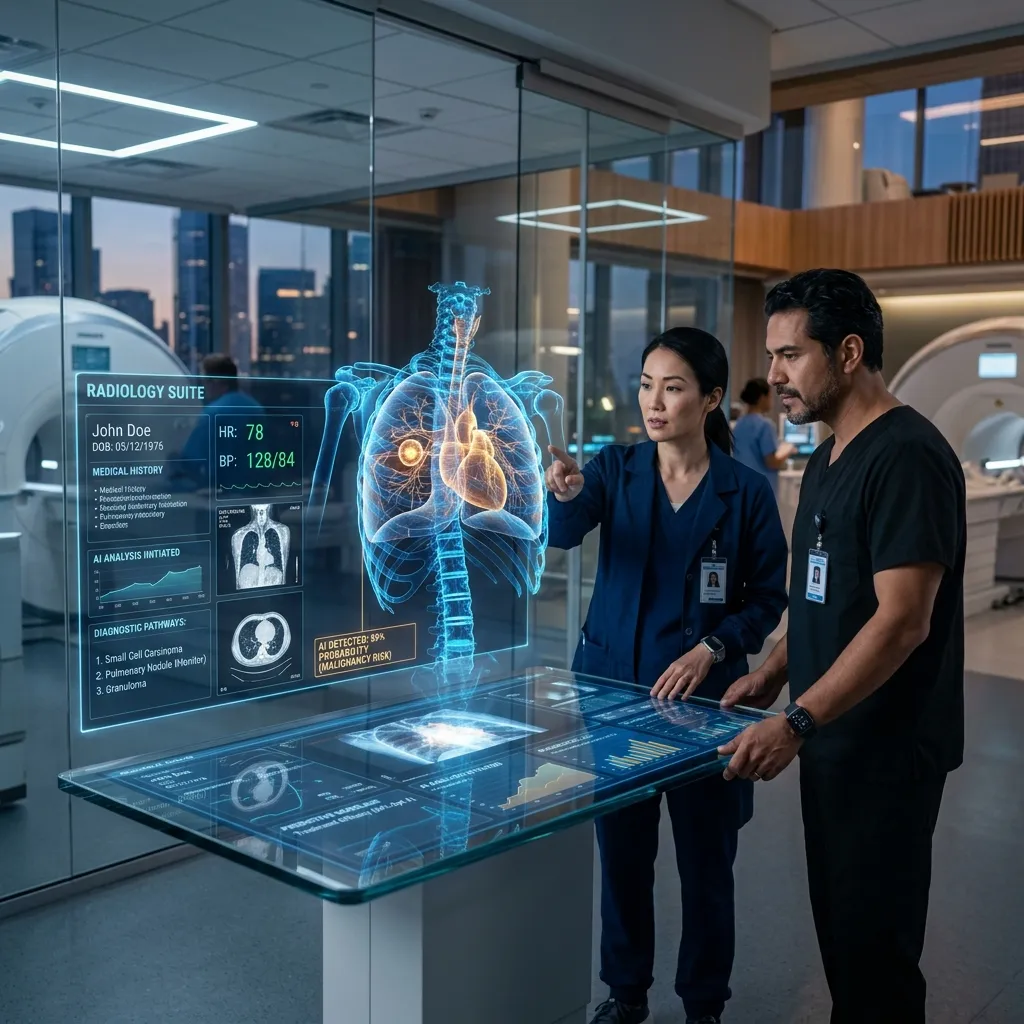
AI is revolutionizing healthcare by making diagnostics more accurate, personalizing treatments, and automating routine processes. It can analyze complex medical data, including images and patient records, to detect conditions like cancers or heart disease earlier than traditional methods. This technology enables personalized treatments by tailoring therapies based on a patient's genetic profile and medical history.
Finance Image

Finance

In the finance sector, AI drives efficiency by automating complex data analysis and providing insights for better decision-making. It's widely used in fraud detection, analyzing transaction patterns to identify anomalies and prevent unauthorized activities. AI financial modeling development services assist in powering trading algorithms and help in making quick, data-driven investment decisions by assessing market trends in real-time.
Retail Image

Retail

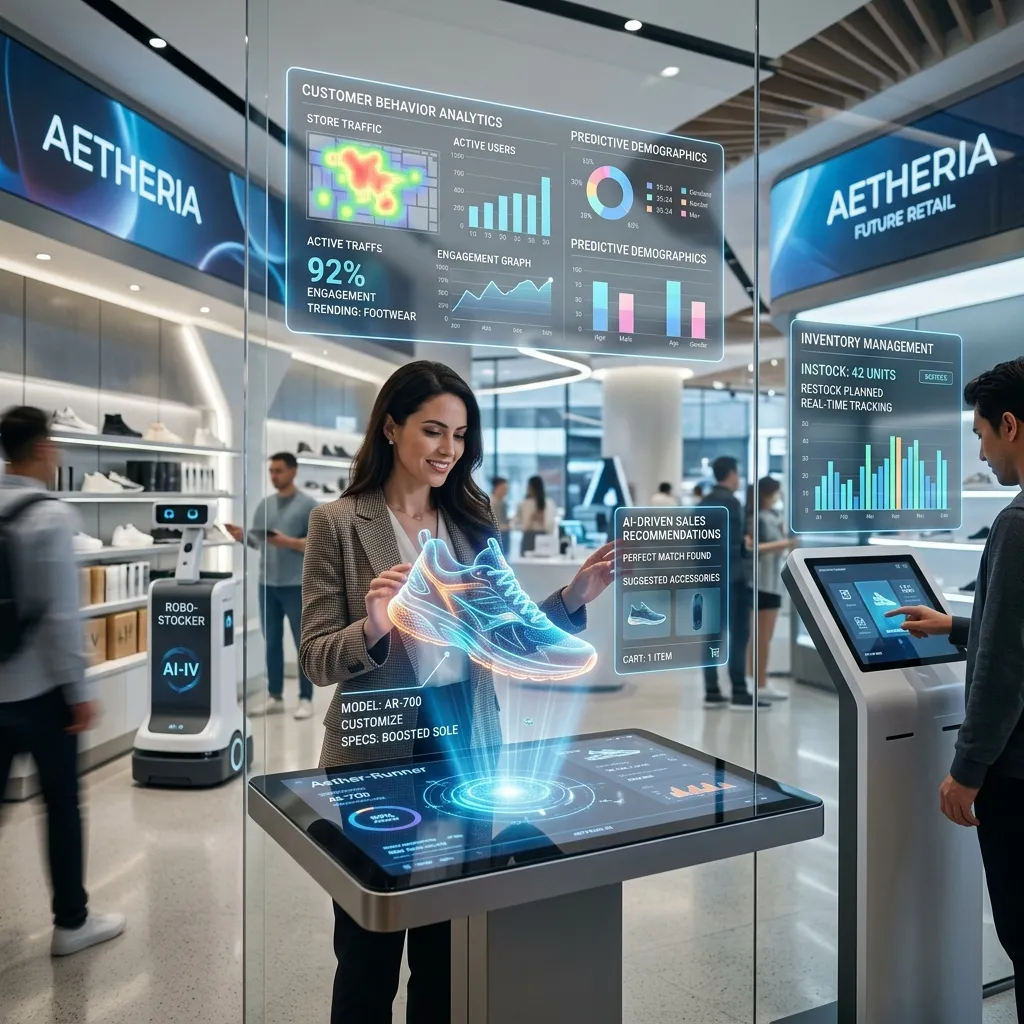
Retailers are using AI to transform customer experiences and optimize their operations. AI-based recommendation engines analyze customer behavior and purchase history to suggest products, leading to higher sales and better customer engagement. In-store, AI-powered cameras can monitor foot traffic and help with inventory management by predicting demand for specific products.
Manufacturing Image

Manufacturing

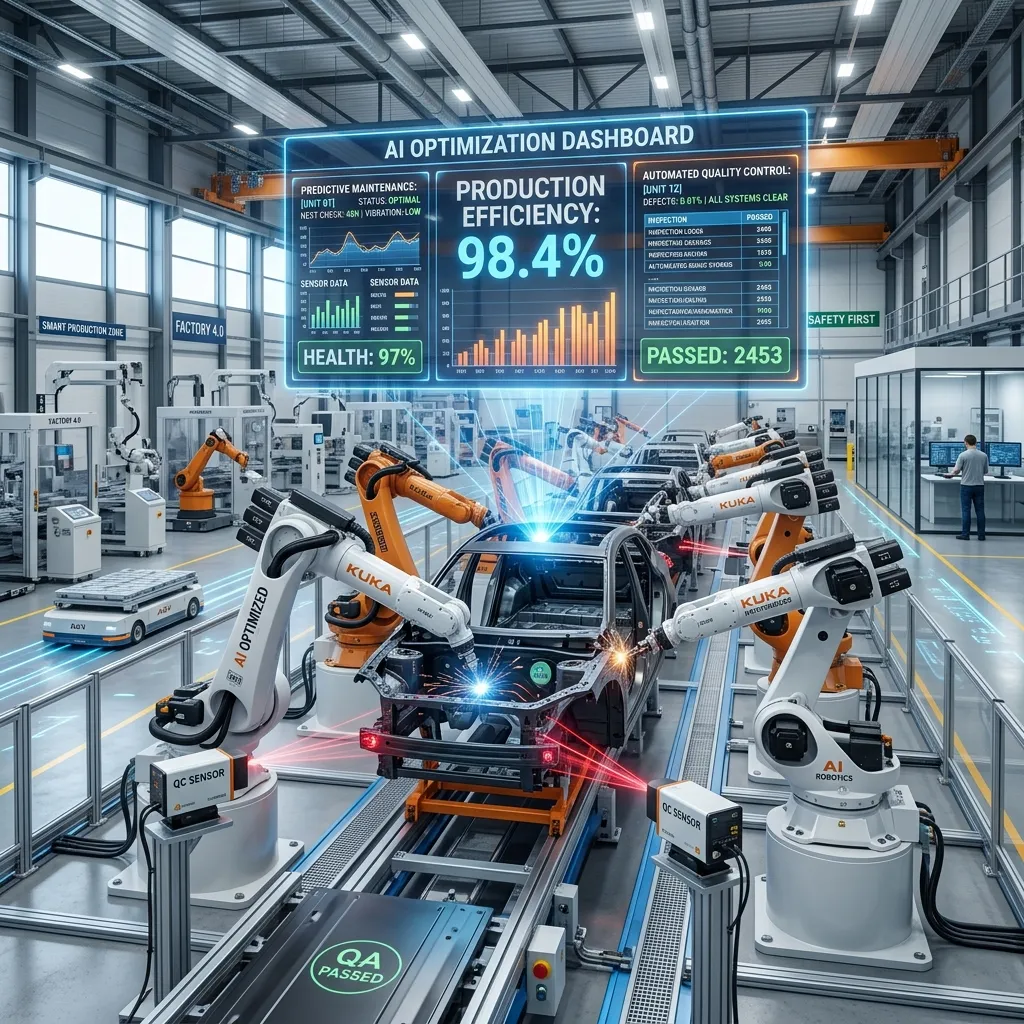
Manufacturing has seen significant improvements with AI, particularly in predictive maintenance and process optimization. AI algorithms analyze data from machinery to predict when equipment is likely to fail, reducing downtime and maintenance costs. Automated quality control systems use AI-powered computer vision to identify defects in products during the production process, ensuring higher quality output.
Education Image

Education

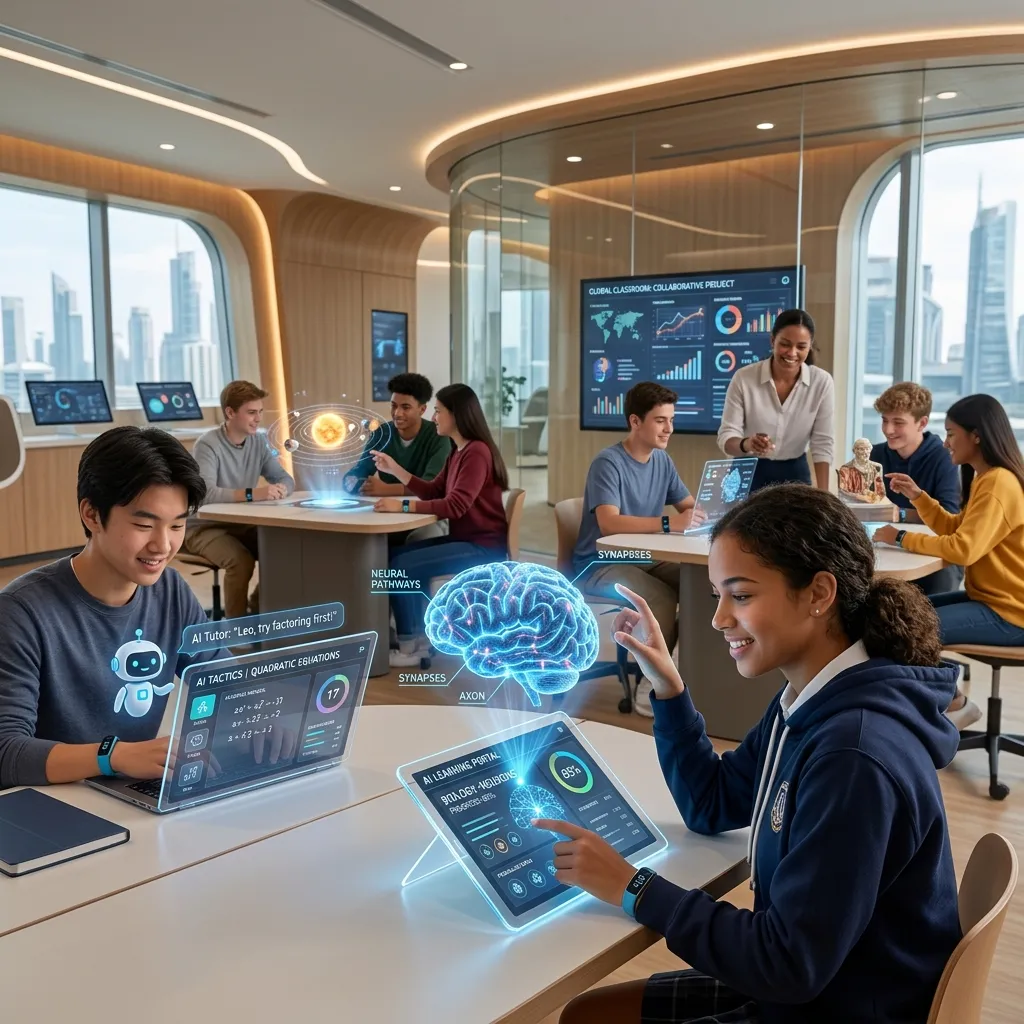
AI is reshaping education by providing personalized learning experiences and automating administrative tasks. It enables adaptive learning platforms that adjust content based on a student's progress and needs, ensuring that students learn what's actually necessary. Moreover, AI-driven analytics help educators track student performance and identify those who may need extra support.
Agriculture Image

Agriculture

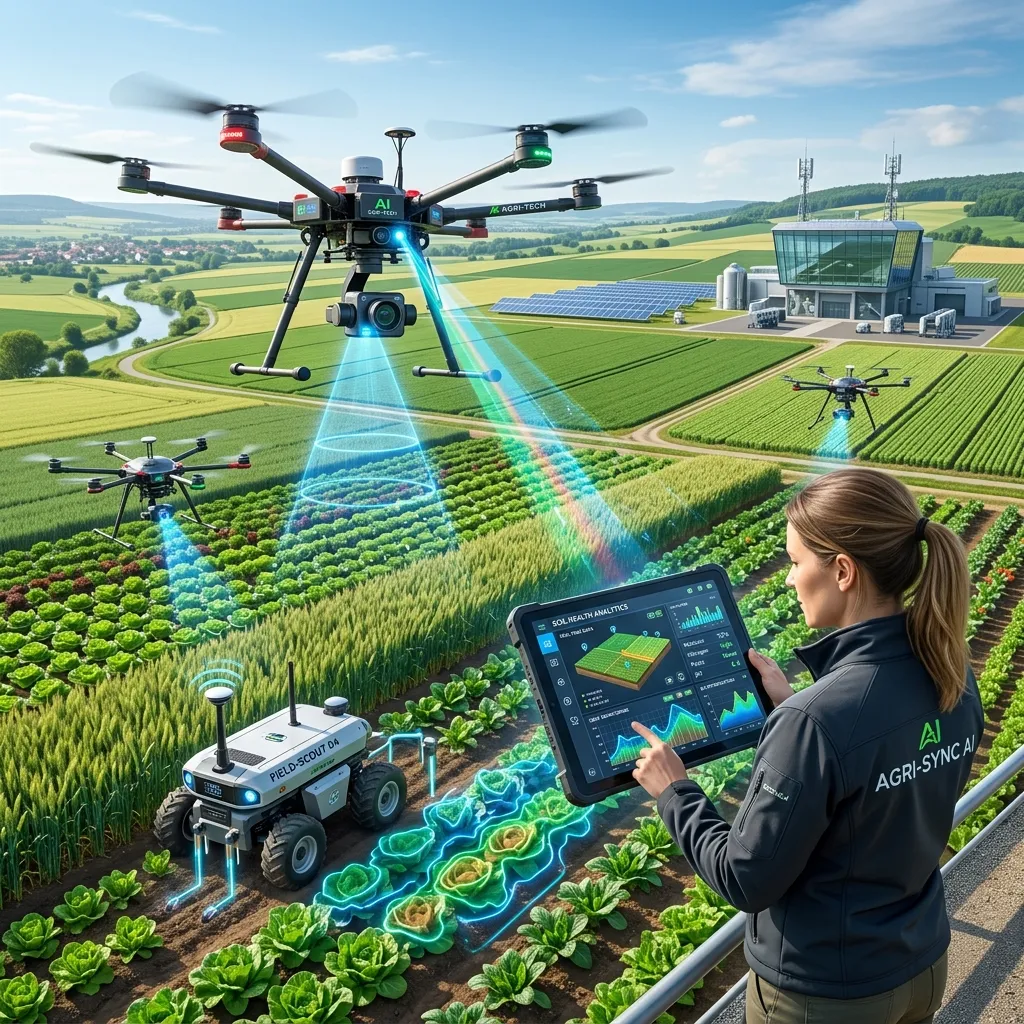
AI in Agriculture benefits through precision farming, crop monitoring, and automated harvesting. AI-powered drones and sensors collect data on soil conditions, weather, and crop health, helping farmers optimize irrigation and fertilization. Predictive analytics help forecast crop yields and detect potential pest infestations early.
Real Estate Image

Real Estate

AI is making real estate more efficient through predictive analytics, automated property management, and personalized customer experiences. Analyzing market trends and historical data, Generative AI in Real Estate helps investors and agents identify the best investment opportunities. Chatbots assist potential buyers or renters by answering questions and scheduling viewings.
Logistics Image

Logistics

AI is transforming the logistics industry by optimizing supply chains, enhancing route planning, and automating warehousing. AI algorithms can analyze vast datasets to predict demand and manage inventory more effectively, reducing the risk of stockouts or overstocking. The are various use-cases of AI in Logistics such as it assists in route optimization, AI processes real-time traffic data, weather conditions, and delivery schedules to determine the most efficient paths, saving fuel and time.
Inventory Management Image

Inventory Management

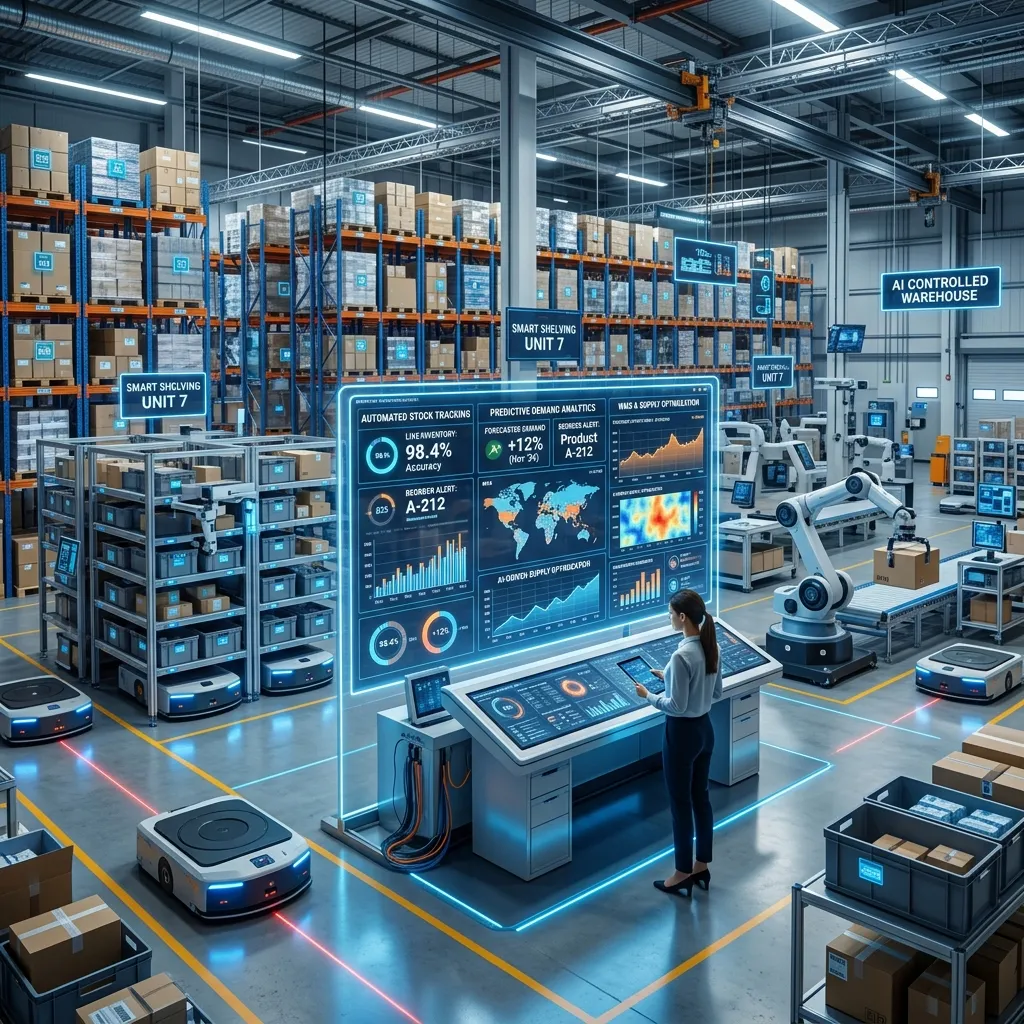
AI is revolutionizing inventory management by offering predictive analytics, real-time tracking, and automation. Through machine learning, and AI in inventory management we help you predict demand for products based on historical sales data, seasonal trends, and market conditions, allowing businesses to maintain optimal stock levels. This minimizes the risks of overstocking or running out of popular items.

Trending AI Technologies We Use To Build AI Apps

Here are all the trending AI technologies used by our AI engineers to develop engaging and powerful AI apps. We portray our expertise while developing these apps making sure you get an edge over your competitors.
NLP

Natural Language Processing

Our AI developers use frameworks such as Transformers, Hugging Face, and spaCy to enable machines to understand, interpret, and respond to human language, making interactions between users and AI systems more intuitive. NLP is primarily used for text analysis, sentiment analysis, speech recognition, text summarization, and more.
ML Frameworks

Machine Learning Frameworks

These frameworks are used for training and scaling up an AI model. We use PyTorch, TensorFlow, scikit-learn, and more to develop deep-learning models to carry out tasks like image recognition, predictive analytics, speech processing, and more.
Generative AI

Large Learning Models & Generative AI

Technologies like GPT-4 and DALL-E enable AI systems to generate human-like text, images, and other creative content. These models have found applications in content creation, image generation, and even coding assistance.
Computer Vision

Computer Vision

This technology powers applications that require image recognition, object detection, and facial recognition. It is used in fields like healthcare for medical imaging, in autonomous vehicles for navigation, and in retail for inventory management. Popular libraries used by our AI developers for computer vision include OpenCV, YOLO (You Only Look Once), and Detectron2.
Edge AI

Edge AI

By using frameworks such as TensorFlow Lite and ONNX our AI developers build software for edge devices like smartphones, IoT devices, and sensors, allowing real-time processing without relying on cloud servers. This is particularly important for applications requiring low latency, such as autonomous drones, wearable devices, and smart cameras.
No-Code/Low-Code

AI In No-Code/Low-Code Software

Platforms like Bubble, FlutterFlow, and Appgyver integrate AI components, allowing businesses to build AI-driven apps with minimal coding. You can hire FlutterFlow experts, Bubble.io developers, and more from us and let them enable rapid prototyping and deployment of AI features like chatbots, sentiment analysis, and predictive analytics for you.

What Are The Different Types Of AI Solutions?

Our team of AI developers uses technologies such as DALL-E, Midjourney, Snowflake, and more to craft innovative AI solutions. Let's look at all the AI solutions that our developers have worked on:

AI Text Models

AI text models, often referred to as natural language processing (NLP) models, are specialized algorithms designed to understand, generate, and manipulate human language. At Appic Softwares, our skilled AI developers bring a wealth of expertise to the table when it comes to creating robust AI text models tailored to your specific needs.

Tools Used:

  • OpenAI
  • Mistral
  • Hugging Face
  • LLaMA2
  • Gemini
  • LaMDA

Image And Video Generation Models

Image and video generation models are advanced artificial intelligence systems designed to create visual content from various inputs. These models leverage deep learning techniques to understand patterns in existing visual data and generate new images or videos that resemble the original dataset.

Tools Used:

  • DALL-E
  • Stable Diffusion
  • Midjourney
  • Leonardo

RAG Model

Our AI developers use the capabilities of databases with the capabilities of generative LLMs to generate texts. The RAG (Retrieval-Augmented Generation) model is a state-of-the-art approach in natural language processing that combines retrieval mechanisms with generative models. This hybrid framework aims to improve the quality and relevance of generated text.

Tools Used:

  • Unstructured
  • Airbyte
  • LangChain
  • Llama Index

ETL Model

The ETL (Extract, Transform, Load) model is a fundamental process in data integration and data warehousing that facilitates the movement of data from multiple sources to a destination, typically a data warehouse or a database. This model is essential for organizations that need to consolidate data from various systems for analysis, reporting, and decision-making.

Tools Used:

  • Fivetran
  • Talend
  • Hevo Data
  • Skyvia
  • Xplenty
  • PySpark

Total revenue of mobile apps is expected to grow at a CAGR of 9.27%, and it is estimated to reach $614.40 billion by 2026.

Thus if you are planning to digitalize your services then it's the right time. Consult Our App Developers!

Our Different AI Model Development Services

Various types of AI models are designed to solve specific problems or solve particular tasks. Every AI model is built using various technologies, frameworks, and programming languages. Here is a breakdown of all the different types of AI models that we develop:

Supervised Machine Learning Model

Supervised learning involves training models on labeled data, where the input-output pairs are known, making it easier to learn relationships between variables and create an AI algorithm. These models are typically used for tasks like classification and regression and excel in scenarios where a large amount of historical data is available to train the system.

Technologies

  • TensorFlow
  • PyTorch
  • Scikit-learn
  • Keras

Programming Languages

  • Python
  • R
  • Java

Unsupervised Learning Model

Unsupervised learning deals with unlabeled data, making it effective for discovering hidden patterns, groupings, or anomalies within a dataset. It's widely used in applications like market segmentation, anomaly detection, and customer grouping. These models are invaluable when it is difficult or time-consuming to label data.

Technologies

  • TensorFlow
  • PyTorch
  • Scikit-learn

Programming Languages

  • Python
  • R

Deep Learning Models

A subset of the machine learning technique, deep learning models use neural networks with multiple networks to analyze and learn from a large set of data. These models are particularly powerful for tasks involving unstructured data, such as images, audio, and text.

Technologies

  • TensorFlow
  • PyTorch
  • Keras

Programming Languages

  • Python
  • Java
  • C++

Generative Models

Generative models focus on creating new data samples that resemble a given dataset, making them useful in fields like creative arts, content generation, and image synthesis. They can create realistic images, texts, or audio, often blending new creative elements with patterns observed in the training data. These models are at the forefront of AI-driven content creation, producing results that are almost indistinguishable from human-generated content.

Technologies

  • TensorFlow
  • PyTorch

Programming Languages

  • Python
  • Julia

Frequently Asked Questions

Why Should You Integrate AI Into Your Business?

AI integration has many strong benefits that you may provide your company. Artificial intelligence (AI) has the potential to improve corporate outcomes by increasing operational efficiency, optimizing decision-making, and stimulating creativity. AI can analyze large datasets and derive insightful information that helps you make data-driven decisions and strategic decisions. Artificial intelligence (AI) can automate monotonous jobs, streamline workflows, lowering human error, and provide your team with more time to concentrate on high-value work. AI also makes individualized consumer experiences possible, which raises satisfaction and engagement levels. AI gives you the ability to be flexible and quick-thinking in the current competitive environment, seizing opportunities instantly and obtaining the upper hand. Adopting AI puts your company at the forefront of technological development and opens up a world of opportunities for productivity, growth, and creativity.

How Will My AI Model Will Work?

Artificial intelligence (AI) models work by analyzing vast volumes of data using sophisticated algorithms to find patterns, connections, and representations. The model modifies its internal parameters during training in order to reduce prediction errors. These models have particular structures built for tasks like language processing and picture recognition. To make sure the model is accurate, it is evaluated on fresh data after training. After validation, the model can be used to forecast or make judgments in real-world situations. With time, it can learn and get better thanks to feedback loops and exposure to fresh data.

What Tech Stack Do You Use For AI Development?

To guarantee the development of innovative and successful AI solutions, we make use of a wide range of tools and technologies. A variety of industry-standard platforms, libraries, and frameworks are included in our toolset. Machine learning frameworks such as TensorFlow and PyTorch are widely used because they provide flexible environments for constructing and honing intricate models. These frameworks provide flexibility and scalability in the deployment of different neural network topologies. We use libraries like NLTK and spaCy for natural language processing jobs, which helps us handle and analyze text data effectively. We also use cloud platforms such as AWS, Azure, or Google Cloud to gain access to scalable resources for management, deployment, and model training. Our staff is skilled with deep learning frameworks such as scikit-learn, a flexible machine learning toolkit that can be used for a wide range of tasks, and Keras, which makes the building of neural networks easier. With the help of these technologies, we can create recommendation engines, predictive models, and other AI solutions that are exactly tailored to your company's requirements. In the end, our strategy focuses on choosing the greatest tools and technologies to meet the project's needs, making sure that we provide AI solutions that are not just creative but also incredibly practical and effective.

What Is The Duration To Build An AI Application?

Depending on the intricacy and nature of the project, there might be a wide range in the timeframe for defining the scope, organizing, and carrying out an AI project. Various projects have unique needs that affect how long they take in total. The schedule can be affected by a number of variables, including the availability of high-quality training data, the difficulty of the AI algorithms involved, the requirement for specialized model architectures, and the integration of the solution with already-existing systems. It could also be necessary to go through iterative testing and development phases in order to improve and optimize the AI model's functionality. Each AI project must be approached with a customized timeframe since it is important to take the time to carefully define the scope, plan, and carry out the work in order to guarantee that the final solution closely complies with the project's objectives and desired results.

What Are The Steps Taken By You To Ensure The Security Of Your Application?

We employ a thorough approach that includes strict data encryption, access controls, and safe architectural design to guarantee the security of our AI projects. We place a high priority on user authentication, carry out frequent security audits, and deploy cutting-edge intrusion detection systems to identify threats instantly. To remain ahead of new security threats, our team adheres to industry best practices, updates software components frequently, and offers ongoing employee training. The confidentiality, integrity, and availability of our AI solutions.